Stop Wasting Power on Your Glass Annealing
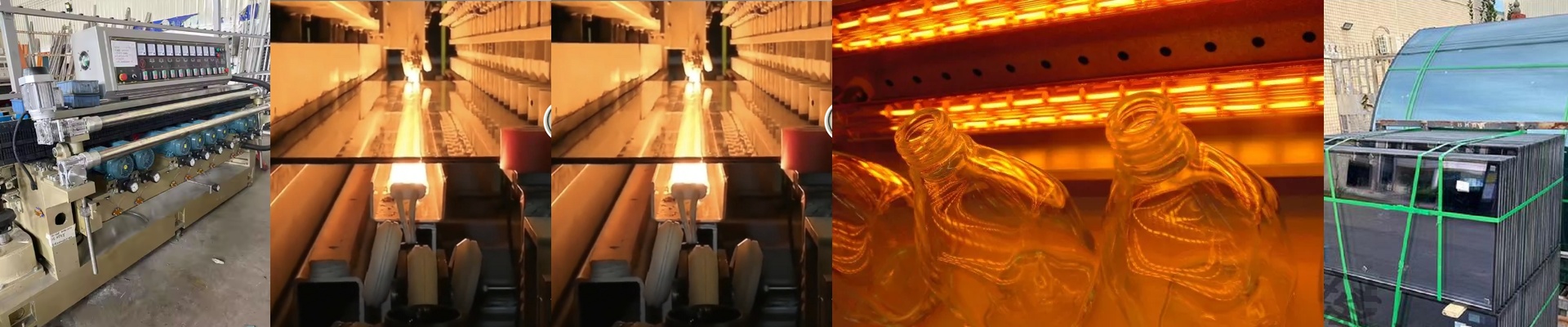
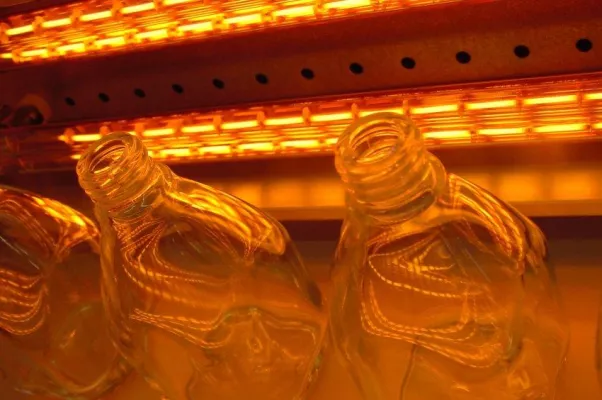
Let’s be honest: glass annealing is a power hog. Most traditional ovens just blast the entire room with heat, wasting a ton of energy on the air around the glass rather than the glass itself. It’s expensive and, frankly, inefficient. That’s why we use twin-tube infrared heating. It shifts the focus to targeted radiant heat, which is a fancy way of saying we stop paying to heat the air and start focusing on the workpiece. Your electricity bill will thank you. How the twin-tube setup actually works Imagine doubling your heating surface without taking up any extra room in the oven. That’s the magic of the twin-tube design. By using two filaments—either parallel or concentric—we cram more heat into a smaller footprint. You get more punch per square inch. For you, that means hitting that critical glass transition temperature faster and holding it steady without the usual temperature swings. Getting the heat where it belongs Here is the thing: convection heaters are slow. They rely on the air. But these IR lamps use short-to-medium wave radiation that sinks right into the glass surface. It’s direct. It’s fast. But there is a catch. Because these lamps are so intense, you can end up with hot spots if your glass is just sitting still. You’ll want to make sure your glass is moving or rotating. Pair this with a solid PID controller and a calibrated thermocouple, and you won’t have to worry about thermal shock ruining your batch. Swapping them in and keeping them running If you’re still using old resistive coils, these are pretty much a drop-in replacement. We use quartz envelopes because they can handle the constant heating and cooling cycles of a busy plant without cracking. To make them last, keep an eye on two things. First, check that your wiring can handle the peak current. Second—and this is the big one—keep your reflectors clean. A little bit of dust on a reflector can kill your efficiency by 20% almost overnight. Give them a polish. Bounce every single watt back into the glass. It’s a small bit of maintenance that saves a lot of money.