Getting Glass Annealing Right with Fast-Response IR
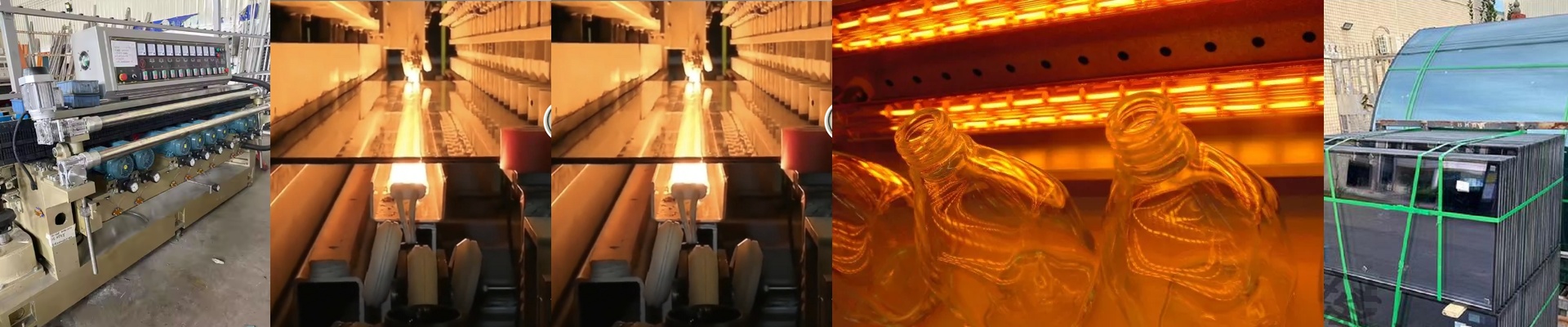
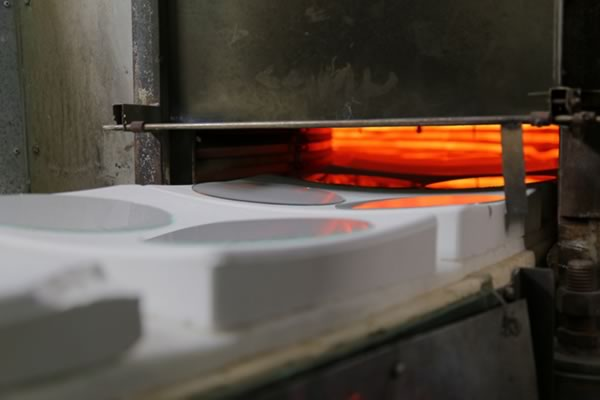
When you’re annealing a glass score line, it’s all about a delicate balance. You need enough heat to kill those internal stresses, but if you overdo it, you’ll warp the whole sheet. That’s why we stick with shortwave IR lamps. They’re just faster. In a real production environment, you can’t be sitting around waiting for resistive heaters or forced air to catch up. That kind of lag is a productivity killer. Why speed actually matters Here’s the thing: IR lamps don’t bother with convection. They just beam the energy straight into the glass. It’s instant. When you hook these up to a PID control loop, the system reacts in milliseconds. You can dial in the power to hit that exact spot on the score line without cooking the rest of the glass. Slow heating creates bottlenecks. Fast lamps keep the line humming. Hitting the sweet spot To make this work inline, you need high power density. We concentrate the wattage into a tight, narrow strip to create a localized heat zone. This lets the glass zip through the annealing range without slowing down. One quick tip: make sure your power supply can handle the initial inrush current. These lamps hit hard the moment they turn on. The messy side of heat Now, there’s a catch. High-intensity IR puts out a lot of radiant heat, and that energy doesn’t just go into the glass. It goes everywhere. If your housings aren’t shielded or your fans are too weak, you’re going to fry your sensors and melt your wiring. It’s a headache you don’t want. We use gold-coated reflectors to push the heat down where it belongs and keep the rest of the machinery safe. Keeping the line moving Nothing kills a mood like a burnt-out lamp stopping production for an hour. We use standardized connectors so these are basically drop-in replacements. Swap one out, click it in, and you’re back in business. It keeps the thermal profile steady across every shift and, more importantly, keeps the line moving.