
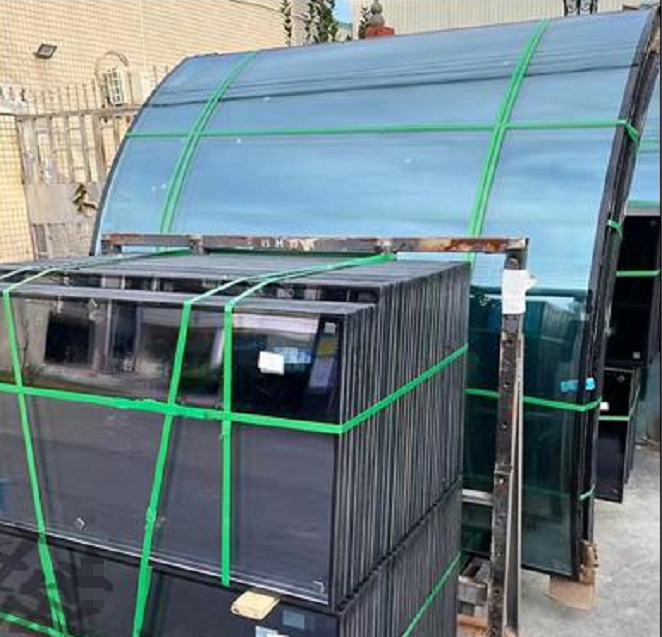
Fitting Big Heat into Small Spaces: Mobile Glass Repair
Trying to cram a high-performance heater into a mobile repair bracket is basically a fight between space and power. You’ve got a tiny footprint and limited voltage, but you still need to hit that glass transition temperature fast. If you don’t, the bond won’t hold, or the mold will be off. We handle this by using shortwave infrared (SWIR) quartz lamps. They’re designed for high power density, which is a fancy way of saying they pack a huge punch in a small package. Dealing with power and space When you’re on the road, you don’t have an industrial power grid at your disposal. You’re working with what you’ve got. So, we focus on the wattage-to-length ratio. By using halogen-filled quartz tubes, we can shove more infrared energy into a much smaller area. It means the heating element actually fits into a handheld bracket without losing that quick ramp-up speed you need to get the job done. We also keep the beam angle narrow. Why? Because you don’t want the heat bleeding into the bracket housing and melting your gear. The gear and the heat We use high-purity quartz envelopes because they can handle the blistering internal heat needed to warm up glass quickly. The cool part is how it works. These lamps emit shortwave radiation, which goes straight through the glass rather than just heating up the air around it. It’s direct energy transfer. That’s why it feels so fast. Usually, these come with compact connectors to keep the wiring from becoming a tangled mess. But there’s a catch: heat soak. Since the element is so small and powerful, the bracket frame takes a beating from the reflected heat. You’ll want some decent heat-resistant shielding or maybe some active cooling for the mounts. Otherwise, your bracket is going to warp over time. Getting the setup right When you’re wiring these up, pay close attention to the gap between the lamp and the glass. A few millimeters might not seem like much, but it completely changes how much heat actually hits the surface. To keep things consistent, we suggest a fixed-distance mounting system. It takes the guesswork out of it, so every repair comes out the same way.