

Why Fast-Response IR is the Way to Go for Glass Annealing
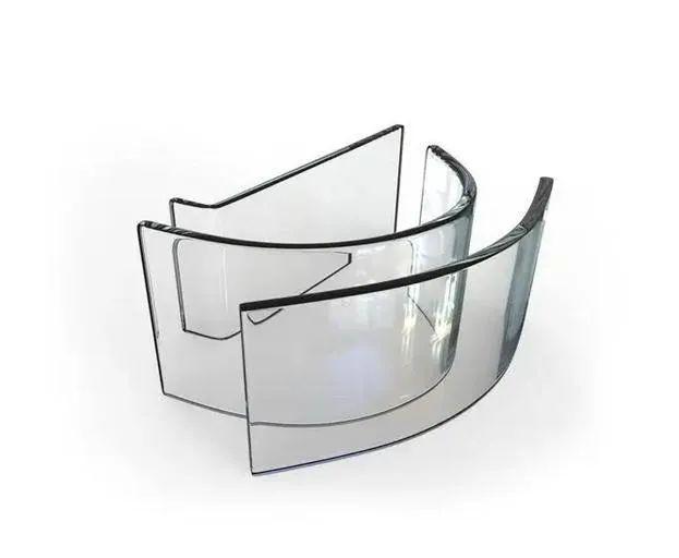
When you’re running a glass coating line, every second counts. If you’re relying on convection ovens or those old long-wave heaters, you’re basically fighting a losing battle with lag time. It’s frustrating. You want the heat now, not in a few minutes. That’s where shortwave infrared (SWIR) comes in. These lamps hit the glass with an immediate burst of energy. It flash-dries the coatings and anneals the glass without forcing you to crawl along at a snail’s pace.
How it actually works
Here’s the thing: shortwave IR doesn’t mess around with heating up the air first. It just goes straight to the glass. We use high-wattage quartz elements because they get the job done instantly. No “cold start” waiting game. You get a sharp, steep jump in temperature, which is pretty much the only way to keep a high-speed conveyor moving while making sure that coating actually sticks.
Keeping the line moving
If your production line never stops, your heaters are taking a beating. We build these lamps to handle heavy workloads so they don’t just burn out on you. Plus, the filaments react fast. Like, milliseconds fast. If your line speed hiccups or shifts, the lamps adjust on the fly. One heads-up, though. Because these lamps pack so much punch in a small space, they get incredibly hot. You’ve got to make sure your venting is dialed in. If you don’t, you’re looking at warped reflectors or fried wiring, and nobody wants to deal with that.
Getting it on the floor
We didn’t want this to be a headache to install. These lamps are designed to drop right into your existing IR arrays. We stick to standard connectors, too. Your team can just wire them up and get back to work without hunting for weird custom adapters. The goal is simple: stop the bottleneck at the drying stage. When the heat is this fast, you can push way more square footage through the plant every single shift. It just makes the whole day run smoother.