
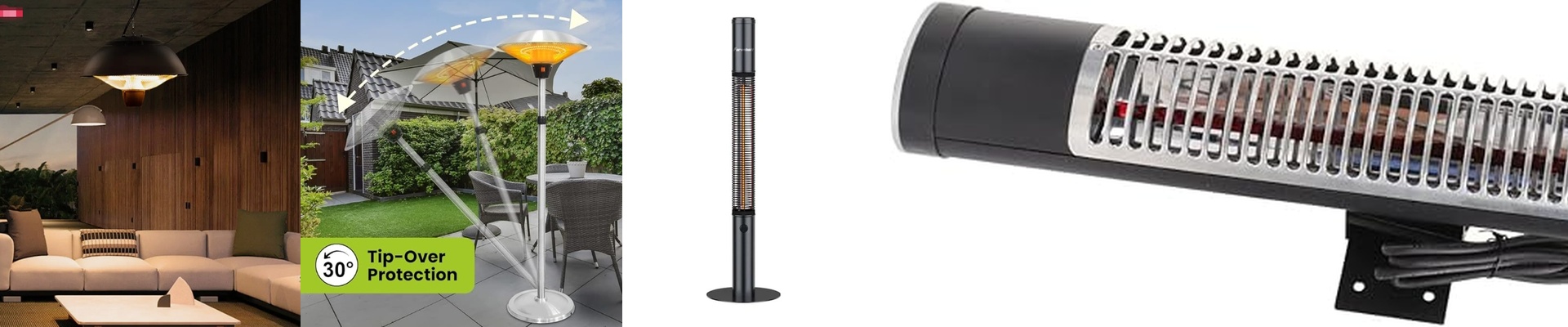
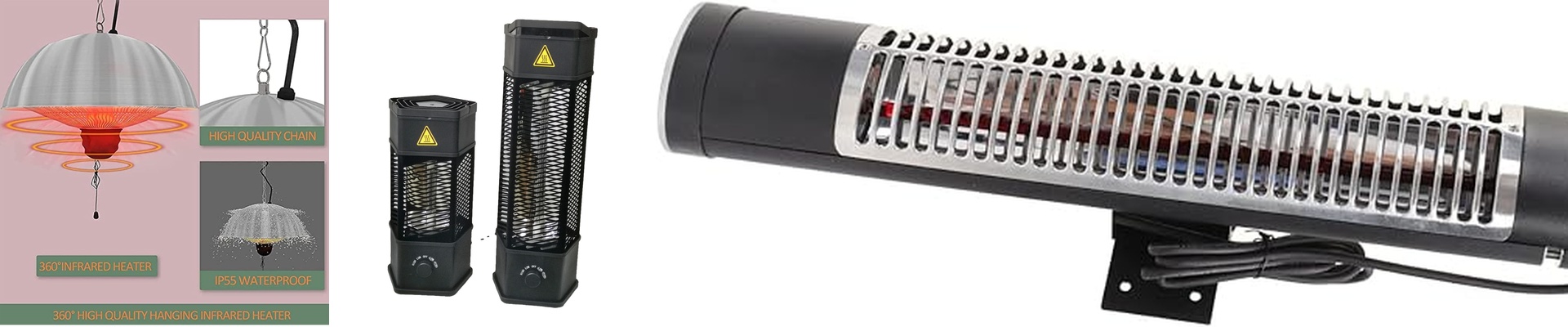


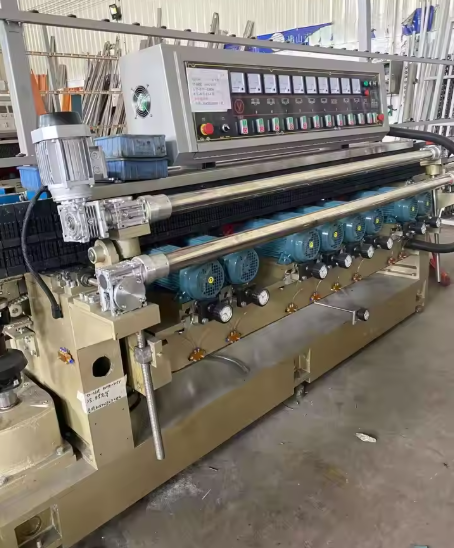
On the line, a tempering furnace or a lamination press doesn’t forgive uneven heat. One cold spot and the glass walks away with residual stress. One hot spot and you’re staring at optical distortion at final inspection. The heating system isn’t a background player—it writes your yield, cycle time, and scrap rate.
What matters under the hood
We build industrial glass heaters for the way glass actually moves through a plant: fast response, stable temperature, and repeatable performance shift after shift. The units use short-wave infrared (IR) elements in a quartz envelope, so you get a quick ramp-up and tight control right at the glass surface. Emitter layout is where you earn it. We arrange the emitters to create a uniform thermal field, because uneven heating drives thermal gradients—those are the ones that end in breakage and warp. Then we match voltage, power density, and mounting geometry to your equipment footprint, so the heater lands as a functional module, not a bolt-on compromise.
Why this matters where you run it
In tempering, the heater has to hit setpoint fast and hold it steady so the quench can do its job—consistently, every time. In bending, the glass has to soften predictably along the whole contour; otherwise the bend angle drifts and the part fails inspection. In lamination and coating drying, uniform temperature is what keeps adhesion solid and keeps bubbles and haze out of the finished piece. Get the heater right and you cut rejects, rework, and those unplanned stops. Energy use falls because the system heats on demand and holds temperature without overshoot.
The details that keep it working
These heaters are sensitive to the environment they run in. Keep reflectors clean, make sure airflow is where it needs to be, and confirm your control system can handle the inrush current at startup. For retrofits, match the connector type and mounting clearances—tight tolerances are non-negotiable if you want the designed thermal path to hold. During installation, plan alignment and insulation carefully; even small gaps will change performance.