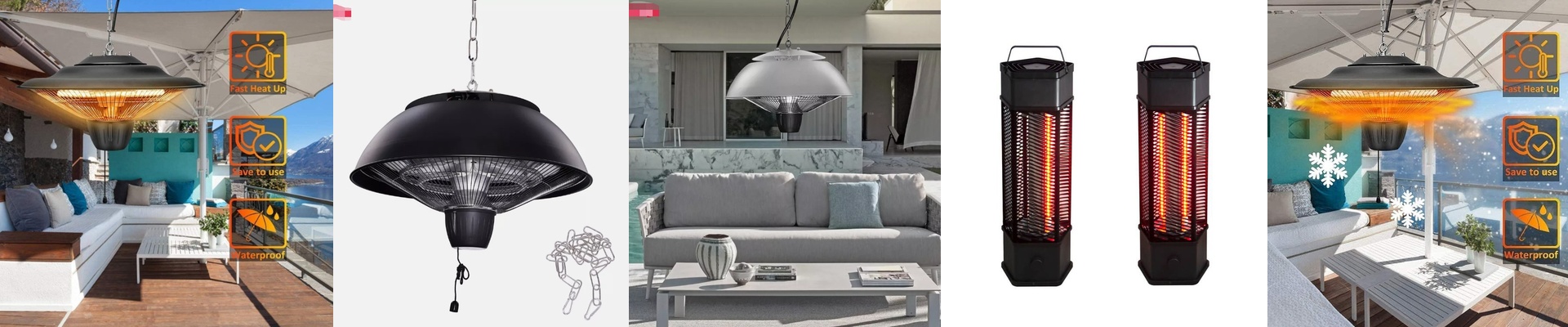
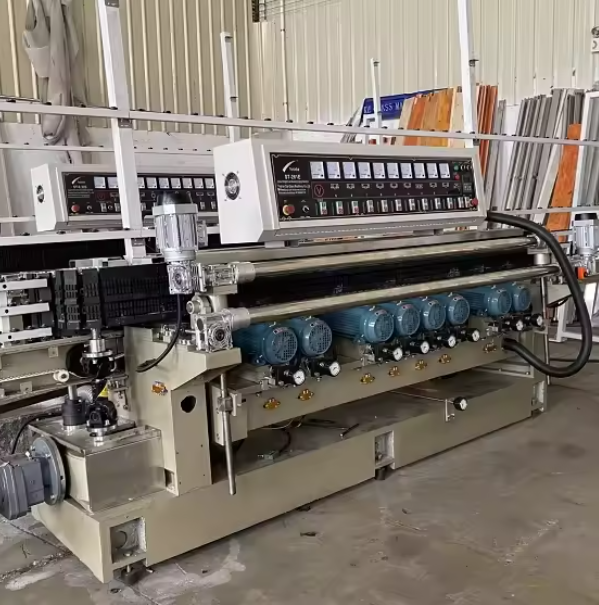
On the tempering line, the nip roller preheat station quietly sets the tone for the whole shift—throughput and scrap are decided right there. If the roller surface runs too cool, the glass hits it and the bottom edge takes a sudden chill. That thermal shock shows up as edge checks, and the furnace load turns into a guessing game. We built the nip roller preheat module to break that cycle by putting repeatable, uniform heat right where the glass makes contact. What matters under the hood We run short-wave infrared quartz emitters because they heat fast and direct, with minimal convection. The payoff is quick response and tight control across the roller face. Modules are typically 240V or 480V, with power matched to the roller width so you don’t over-spec the zone. The emitter layout is laid out to flatten the thermal profile—fewer hot spots and cold bands that otherwise leave glass temperature uneven before bending or tempering. Control is straightforward: setpoint-based zone management that holds roller surface temperature steady, cycle after cycle. Here’s why it plays in production. Targeted heat means less wasted energy warming up the surrounding frame. Preheat time drops, so the furnace can settle into consistent heat cycles—optical quality improves and stress-related failures fall off. That shows up as higher first-pass yield: fewer edge fractures, fewer optical distortions, and far fewer rejects that would otherwise mean rework or scrap. Maintenance is simpler, too. The modular layout lets you swap individual emitters quickly, so downtime stays short and planned. A few things to get right. Installation is straightforward on most tempering lines, but alignment is not optional. The roller face has to be parallel to the glass path, or you’ll get uneven contact and uneven heating. And because the emitters throw intense radiant heat, shield nearby components and confirm your line’s thermal clearances. Match emitter wattage density to your typical glass thickness and cycle time—too much power for the duty cycle and the module will age prematurely. Plan the changeover, and it will run with the rest of the line.