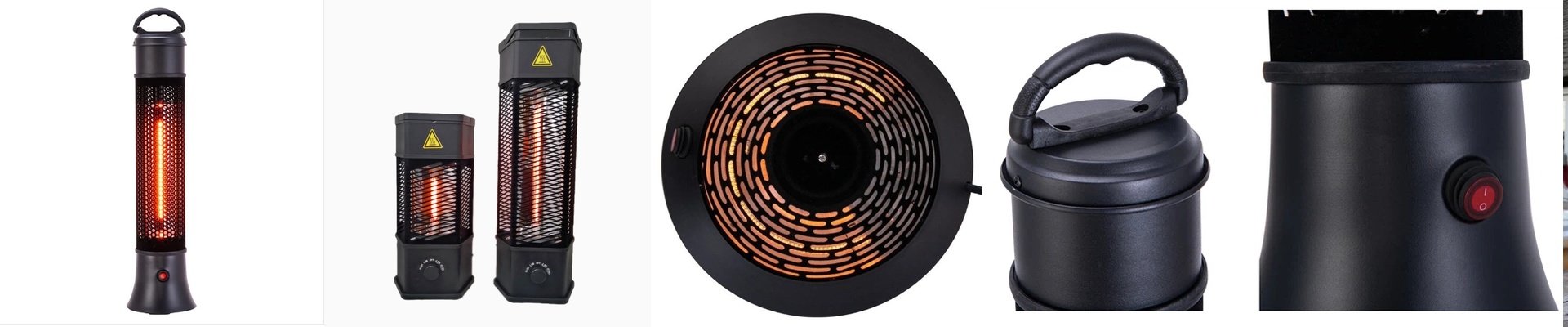
Stop the Cracks: Getting Glass Tempering Right with Quartz IR Lamps
If you’ve ever worked with glassware, you know the nightmare. You’re trying to temper it quickly, but you hit it with too much heat too fast, and—snap—there goes your profit margin. The trick to avoiding that thermal shock isn’t just about having “enough” heat. It’s about how fast you can dial that heat back. That’s why we rely on shortwave quartz infrared lamps. They don’t just blast heat; they let you pivot on a dime. The secret is in the response time. Think about it: you can’t just flip a switch and hope for the best. You need something that reacts the second you tweak the voltage. Because quartz lamps have almost no thermal mass, they don’t “hang on” to heat. When you drop the power via your controller, the heat output drops instantly. This lets you warm the glass in stages. You can coax the core of the piece up to temperature without accidentally scorching the surface. It’s a much gentler process, even if it happens fast. What’s actually inside the lamp? We use high-purity fused quartz for the outer shell. It’s tough enough to handle wild temperature swings without warping. Inside, there’s a tungsten filament with a halogen cycle. This is key because it stops the glass from darkening over time, meaning your IR transmission stays strong for thousands of hours. Now, if you’re dealing with thick-walled vessels, you’ll probably want a high-wattage tube to get the heat density you need. But a word of warning: if you’re pushing 2000W or more into a tight space, your reflectors have to be perfect. If they aren’t polished to a mirror finish, you’re just throwing 30% of your energy away—and probably cooking your machine’s frame in the process. Bringing it onto the shop floor Getting these wired into your line is the easy part. We use standard R7s or SK15 connectors. Why? Because when a tube eventually burns out, you want to swap it in seconds. Nobody has time for the line to sit idle for an hour because some fragile lead wire decided to quit. Just remember: quartz is a bit of a contradiction. It can handle screaming heat, but it hates a physical bump. When you’re mounting them, give the brackets some breathing room. The lamps expand as they heat up, and if they’re clamped too tight, they’ll just snap during the first cycle. Give them a little play, and they’ll treat you right.