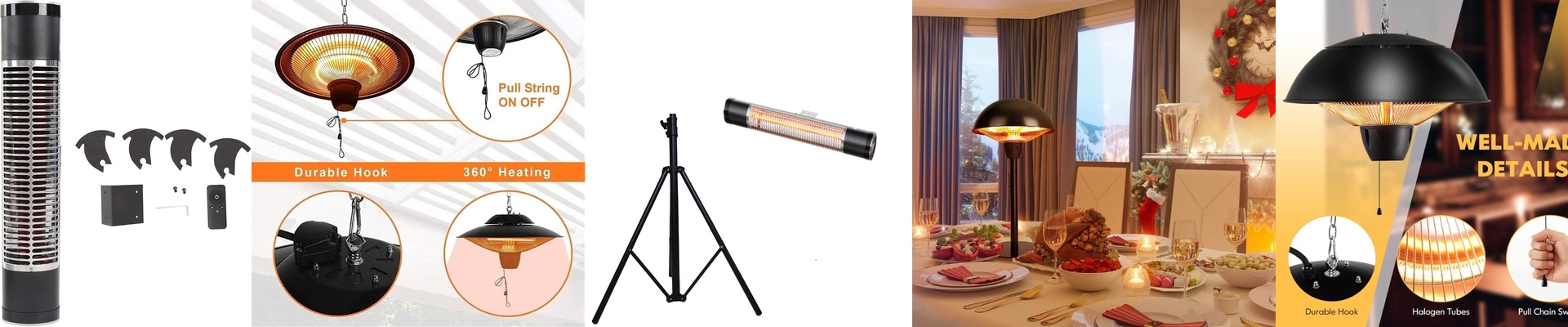
Why Our Best Space Heaters Go All-In on Infrared
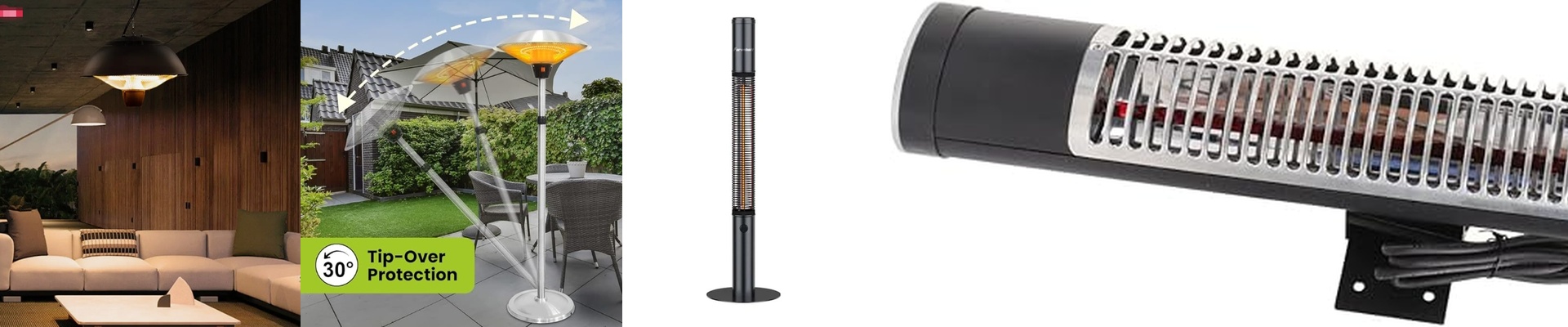
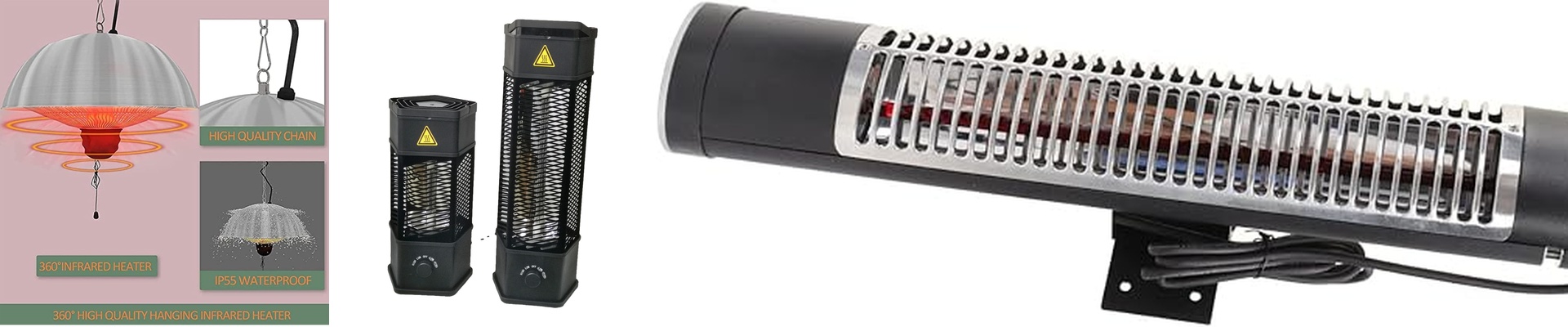
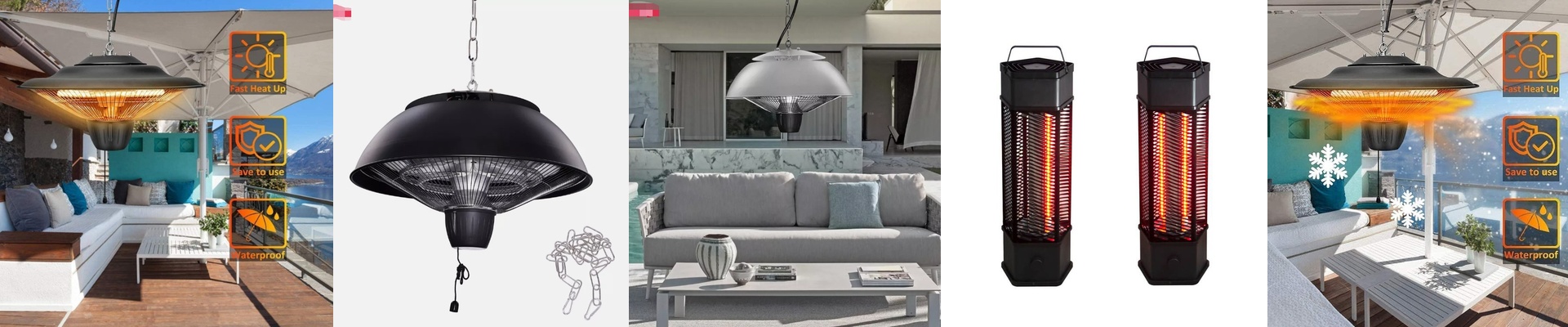
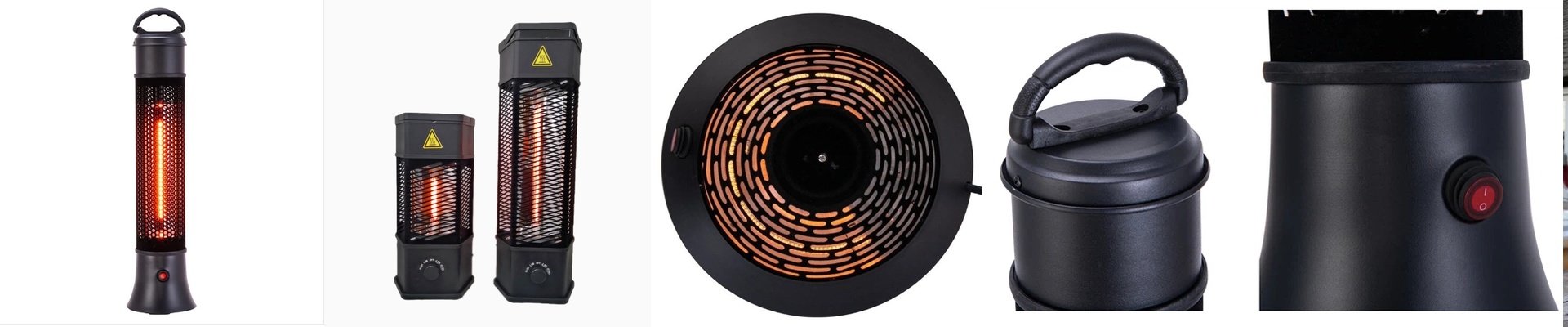
Here’s the thing about our top-rated space heaters: we built them around infrared halogen tech for one simple reason. It delivers heat straight to what matters—people and objects—without messing with the air itself. That means two big headaches just disappear, especially in closed spaces: no oxygen being sucked out, and no mechanical noise. For folks setting up nurseries, labs, or clean rooms, the physics is straightforward. Infrared waves slip right through the air, warming what they touch directly, while the atmosphere stays untouched.
Power, Voltage, and Output—Kept Simple
We designed these units to run on standard voltage, usually 220V or 240V, so they plug into what you already have without a fuss. The wattage is tuned to pack a lot of heat into a small footprint. It’s not about heating the whole room. It’s about putting warmth exactly where you need it. That concentrated power means you get rapid warm-up—target temperatures hit within seconds. But with that kind of output, you do need proper thermal management. Just make sure the surrounding equipment or enclosure can handle the ambient heat without tripping thermal cutoffs.
The Halogen Core: The Heart of the System
At the center is the quartz halogen tube. The quartz envelope handles rapid on-off cycling and stands up to high heat without degrading. Inside, the halogen cycle keeps the filament stable, so you don’t get the burnout you see with standard incandescent elements. The R7s connector does the heavy lifting—handling high current and giving you a secure, linear mount. It’s a simple, tough interface that makes field installation and maintenance quick. And the coating on the tube? It’s engineered to focus the infrared spectrum, so you get maximum radiant output while keeping surface temperatures under control.
Where It Shines: Safety and Reliability
In places where oxygen levels can’t waver—like infant care—traditional convection heaters are a real problem. They burn oxygen and dry the air out. Our infrared heaters don’t consume oxygen at all, and they run with zero operational noise. No fan. No motor. No moving parts to fail. That makes them a clean, drop-in solution for spaces that need steady thermal control without air disturbance. The trade-off is directional heating. You’ll want to position the unit so it covers the target zone, since the heat doesn’t spread the way a convection system does.