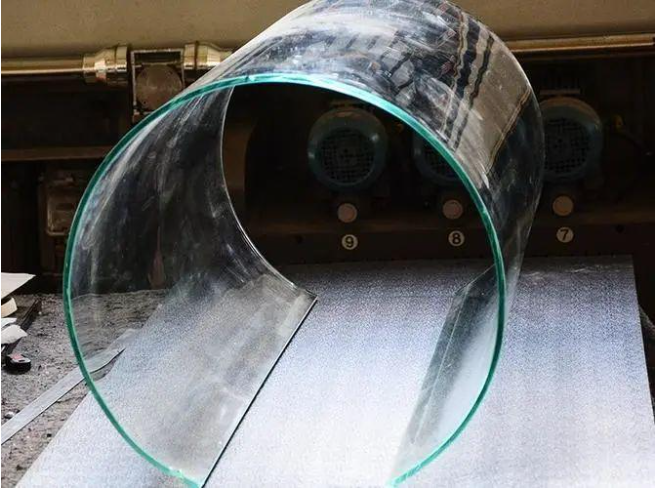
On the glass line, heat isn’t about comfort. It’s about control, the kind that decides whether a sheet bends the way you need or shatters in your hands. When the furnace profile drifts, you start seeing bow, warp, and thermal stress cracks. Then the scrap piles up while the scheduler is breathing down your neck for more cycles. We built the short wave quartz infrared lamp to hit the mark where it counts in glass processing: fast, stable, and repeatable. What matters under the hood Short wave quartz infrared gives you high radiant density with snap response, so the glass surface hits setpoint quickly without turning the chamber into a convection oven. Peak output sits in the near-infrared band, matched to the emissivity of both coated and uncoated glass. That keeps a tight thermal envelope across the belt width. The response is measured in seconds, not minutes, so you can tune the profile shot-to-shot. In practice, that means less soak time, lower specific energy, and more consistent optical quality on bending and tempering. Here’s why it plays well in the field. In tempering and bending lines, the lamp runs as part of a controlled thermal train, laying down uniform heat to cut down edge stress and optical distortion. For lamination preheat and coating drying, the short wave profile dries the interface fast, so you don’t cook the polymer interlayers and you keep adhesion where you want it. The lamp also drops straight in for many OEM heating modules—same mounting footprint, same terminal arrangement, compatible electrical interface. Keep the machine, swap the heat, and skip the full capital project. Installation is straightforward, but treat the lamp clean. Quartz surfaces can’t take fingerprints or dust; contamination bakes on and gives you hot spots. Double-check reflector alignment and airflow—cooling keeps output stable and protects the lamp and wiring. Plan for routine inspection, and match lamp wattage and length to the original module so the thermal field stays balanced. With a proper setup, we see stable output past 5,000 hours, and the retrofit keeps the line moving with minimal downtime.