
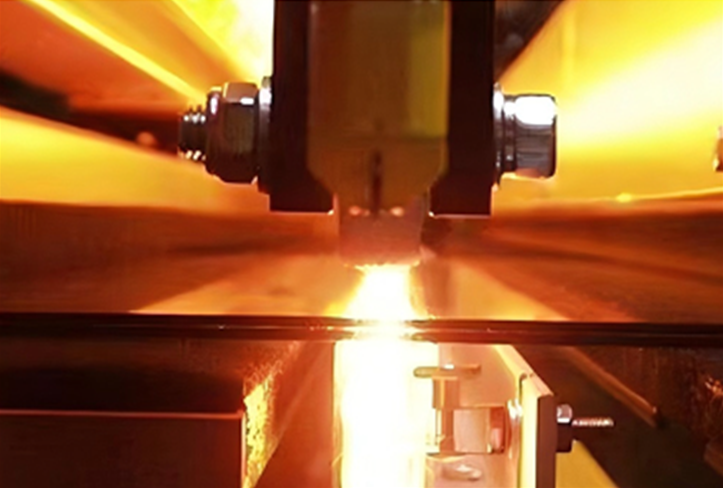
Stop Guessing Your Heat: Why a Datasheet Isn’t Enough
Buying a quartz heater based on a spec sheet is basically a gamble. I see it all the time. An engineer picks out a lamp based on voltage and wattage, thinks they’ve got it figured out, and then the nightmare starts. They find out too late that the glass is hitting hot spots or the ramp-up is so slow it kills their entire cycle rate. Selling you a tube? That’s the easy part. Getting your thermal gradient actually right? That’s where the real work happens. The messy side of quartz specs Glass is picky. It has its own way of absorbing and emitting heat. If we just toss in a high-wattage halogen tube without looking at your gap distance or the angle of your reflectors, you’re just burning money. We care about the actual heat flux hitting the glass. Sure, a 400V high-output tube gives you the punch you need for fast melting or bending, but it puts a massive strain on your power supply. We’d rather double-check your electrical footprint now than have you deal with a blown system later. It’s all in the details We use high-purity quartz because it can take a beating from thermal shock. But the coating? That’s the secret sauce. A shortwave coating pushes heat deep into the glass. Longwave keeps it on the surface. You can’t just guess which one you need. If that coating is off by a few microns, your efficiency tanks. We even obsess over the connectors—whether you’re using R7s or Sk15—because the last thing you want is a connector burning out while you’re running high-amp loads. Why we actually show up in person A lab is a bubble. It doesn’t have the drafts of your shop floor or the grime and wear on your reflectors. That’s why we prefer to just come to your line and run a thermal profile. We want to see exactly where the heat is leaking. It stops you from over-specing your heaters and accidentally warping your frames. We’re not just shipping you a replacement part. We’re making sure the thing actually works in your world.