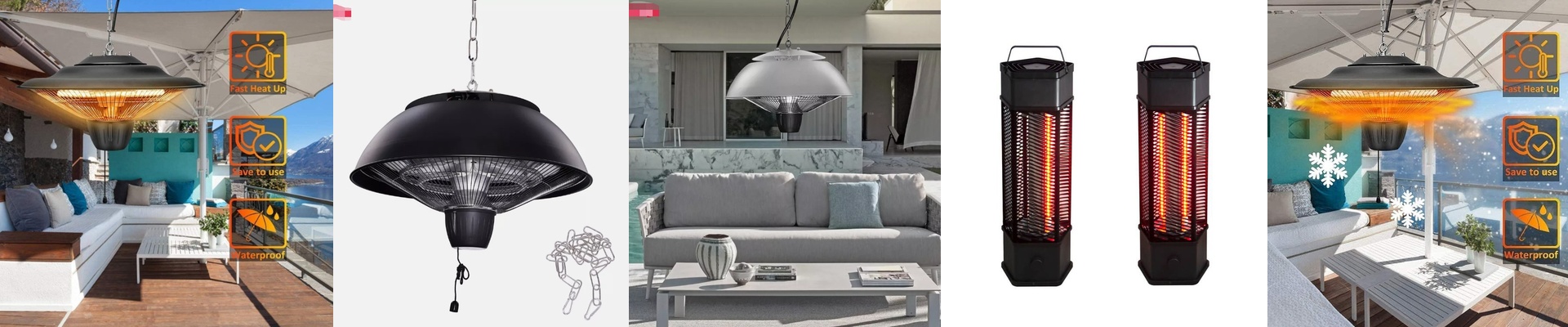

Making Recessed Ceiling Heaters Actually Smart
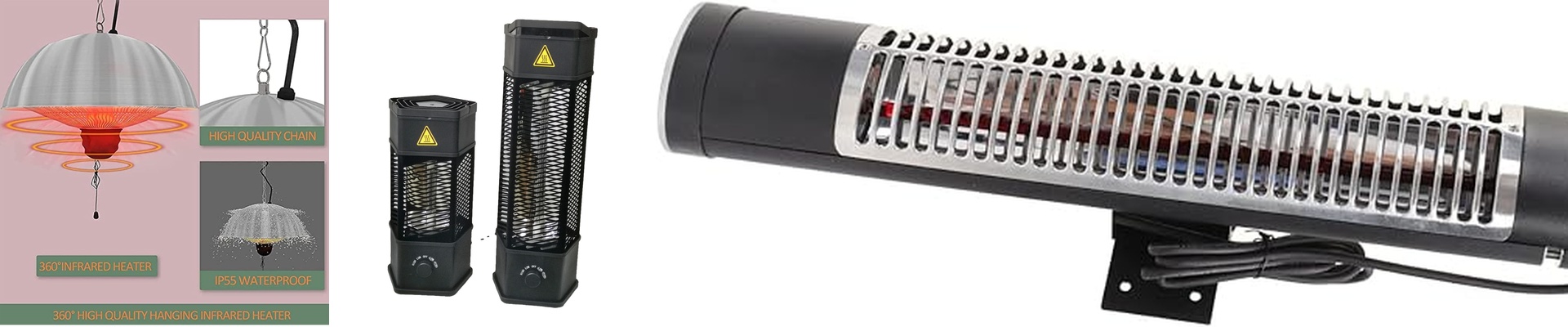
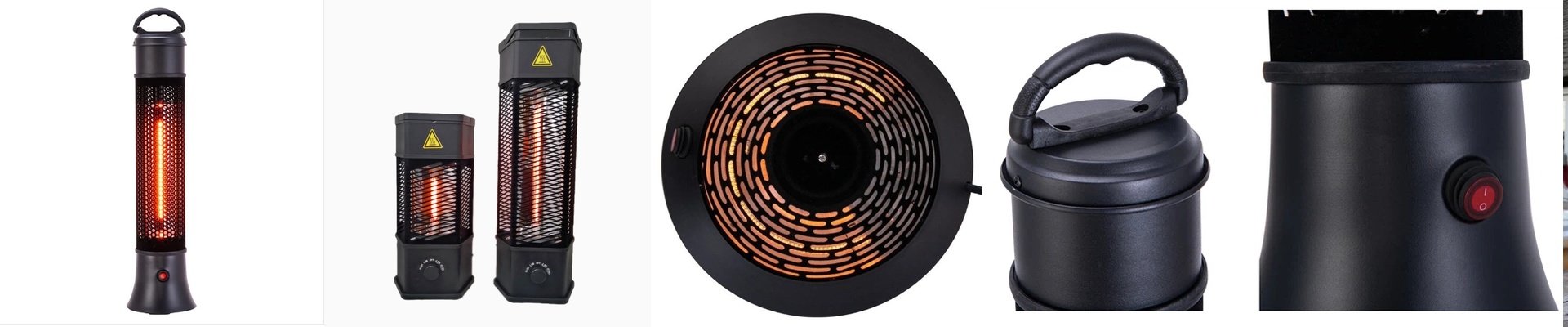
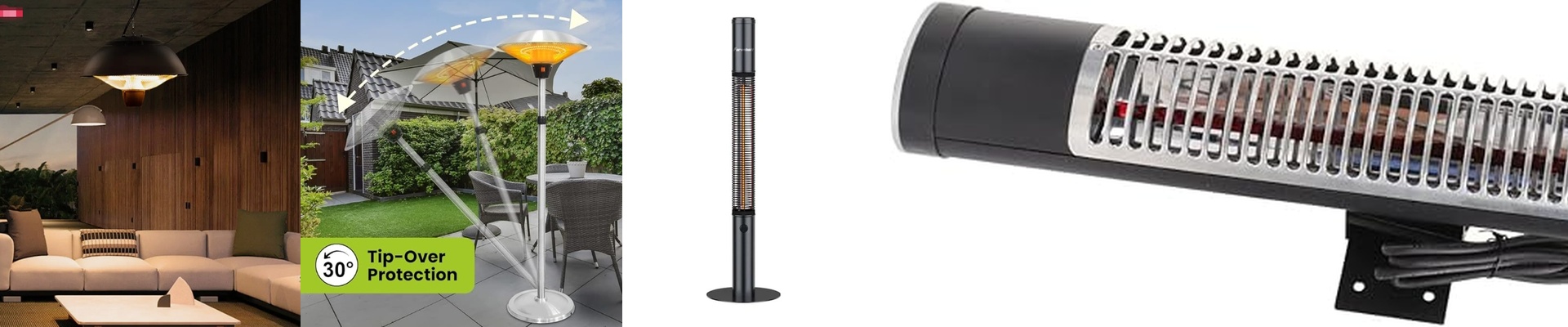
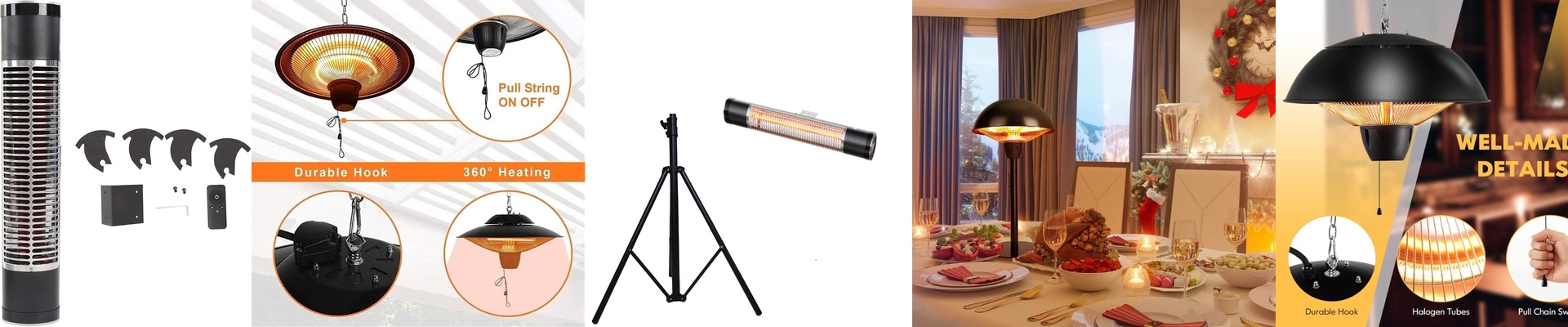
Most heaters work by warming up the air, which takes forever. Recessed infrared heaters are different. They send heat straight to you and your furniture. It’s like standing in the sun on a crisp October morning. But the real magic happens when you stop flipping manual switches and let a smart home system handle the heavy lifting.
Heat That Doesn’t Make You Wait
The best thing about infrared? There’s no waiting. You don’t have to listen to a loud blower motor kick in or wait for a radiator to slowly warm up. It’s almost instant. If you wire these into a smart relay or a Zigbee controller, you can set up a “Welcome Home” routine. Imagine pulling into your driveway and having your house feel cozy the second you step through the door, thanks to geofencing. You hit a button, and the warmth hits the floor immediately. No lag. No shivering while you wait for the HVAC to catch up.
The Boring (But Important) Electrical Stuff
Here’s the thing: these heaters are power-hungry. If you’re putting a few of these in your ceiling, don’t just plug them all into one circuit. You’ll trip your breaker faster than you can say “frozen toes.” I always suggest running dedicated circuits for each zone. It’s safer and saves you a headache later. To avoid that “blast of heat” feeling, look into controllers that allow for dimming or cycling. Instead of just “on” or “off,” you can set the system to keep the room at a steady 22°C by reading data from a sensor. It feels much more natural.
A Quick Reality Check
Adding smart tech adds a bit of complexity to your wiring. You’re adding a “brain” between you and the heat. And look, tech fails. Gateways crash. Your Wi-Fi might go down right when it’s freezing outside. That’s why I always put a physical override switch on the wall. It’s a simple backup that ensures you can still get warm even if your network decides to take a nap.