Introduction
We build infrared heaters that are IPX5-rated, made for the messy, hot, and wet reality of industrial life. You know the scene—constant water spray, dust, and ambient heat that just won’t quit. The real problem isn’t just cranking out heat. It’s what happens at the tube ends, where the electrical connections live. When that lead seal gives up, things start to go sideways—high heat ages the parts, you get carbon tracking, and eventually, a short circuit takes the whole thing down. So we obsess over the wire seal process. It’s built to a代工-grade standard, because keeping the inside dry and stable, even when it’s cooking, is what separates a heater that survives from one that fails.
Power, Voltage, and Size: Getting the Details Right
With infrared heating, power density is everything. We typically spec these units at 400V. That lets you run long lines without the voltage dropping off, and it keeps the element temperature steady. We size the tube to fit the job—long enough to cover the zone, but short enough to slip into the machine bay. Take a 300mm tube, for example. It packs the wattage into a tight spot, so you get a fast heat-up and predictable temperature curves. But here’s the trade-off: more power density means more heat right where you don’t want it. Your control system and cooling have to keep up. If they don’t, you’re risking thermal runaway inside the enclosure.
What’s Inside: Halogen, Coating, and R7s Connectors
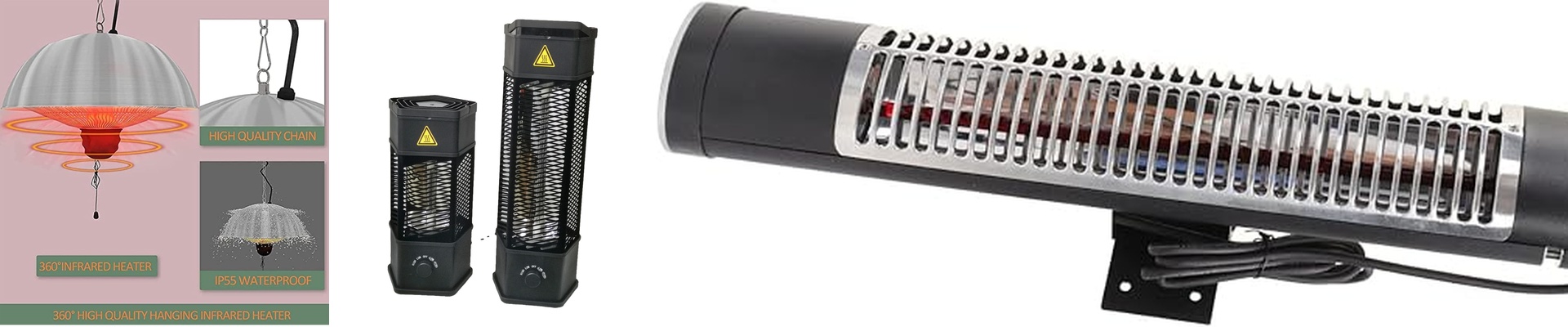
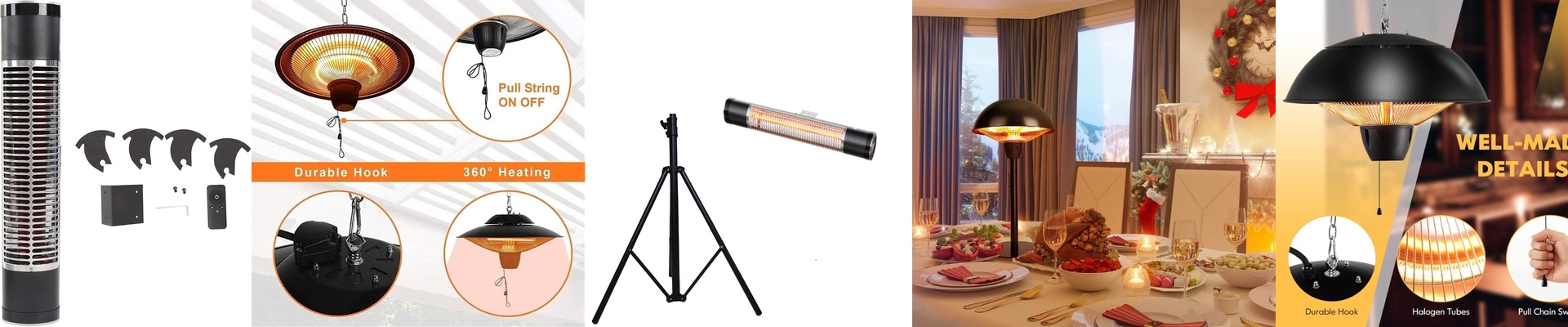
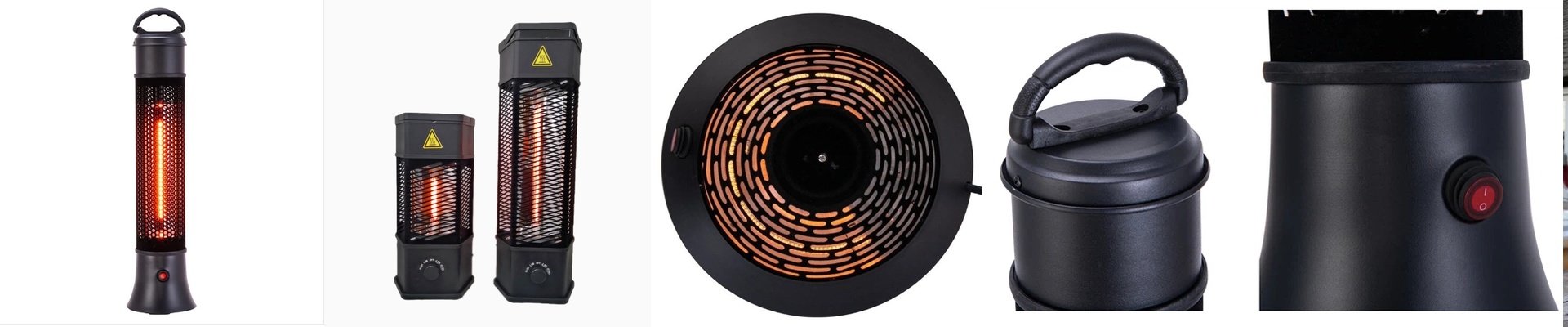
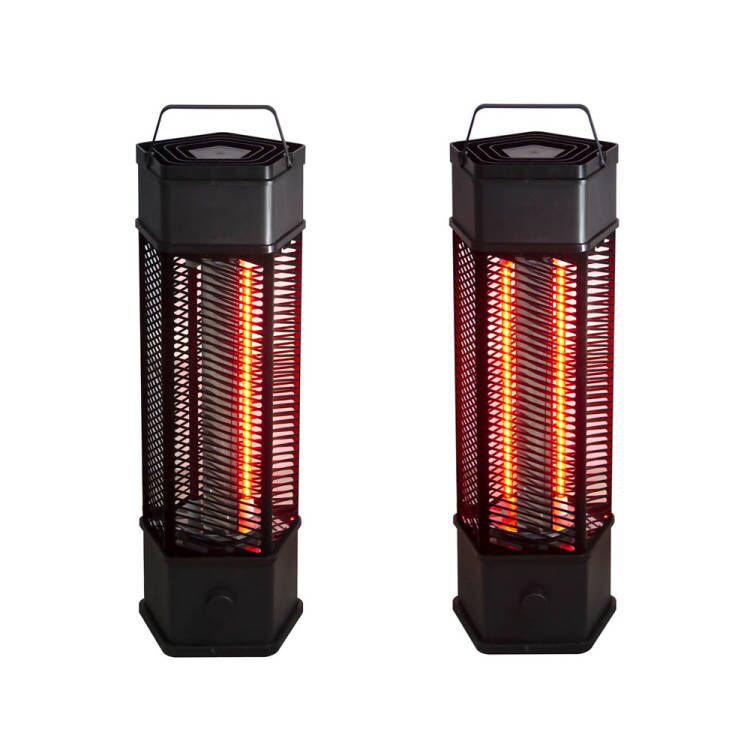
The tube itself is a halogen-filled quartz envelope, finished with a reflective coating. That coating pushes infrared energy forward where you need it, and shields nearby parts from stray radiation. It also helps keep grime from building up on the surface, which can kill output and create hot spots. And the connectors? We use R7s terminals. They give you a direct, solid contact path that handles high current without loosening up when things heat up and cool down. At the lead entry, we stack the protection: ceramic insulation, high-temp silicone, and a compression gland. That stack is the line in the sand—it’s the difference between a heater that makes it through a washdown, and one that burns out at the neck after a few hundred hours.
Built for the Grind: Where It Shines
This setup is engineered for the tough spots—wet, hot, and dirty. Think food processing lines, washdown stations, packaging lines, and plastics pre-heat zones. The IPX5 rating means it can take direct water spray without letting moisture sneak into the terminal block. And those sealed leads? They cut down on maintenance calls and surprise downtime. You wire it in as a drop-in replacement, and the footprint stays the same. The payoff is heat you can count on, fewer insulation failures, and a heater that can take the daily beating of a real plant floor. Just keep a couple things in mind: match the voltage, make sure your cooling is sized right, and keep those terminals clean.