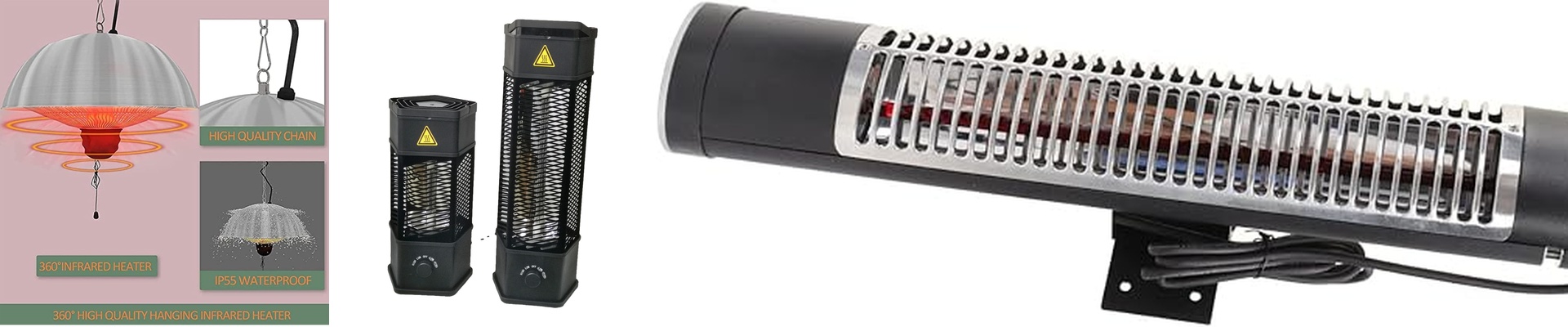
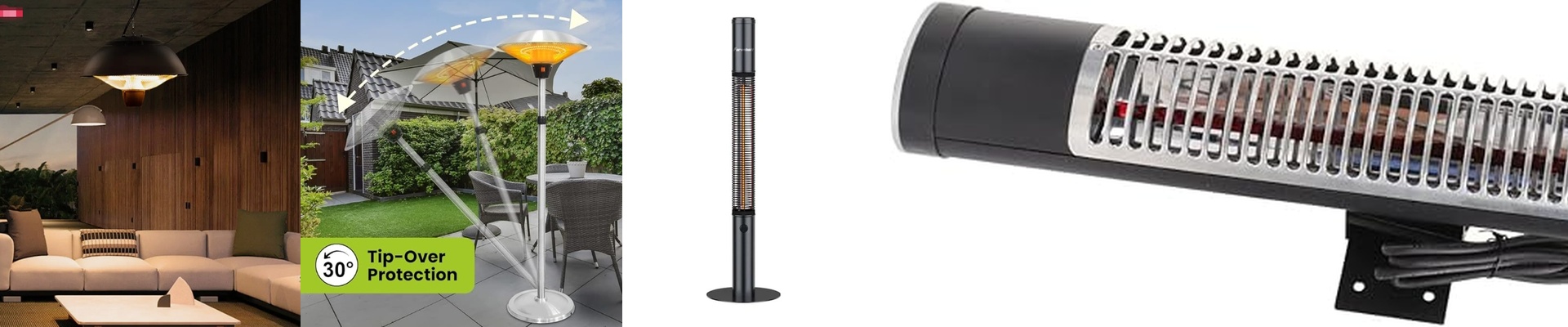
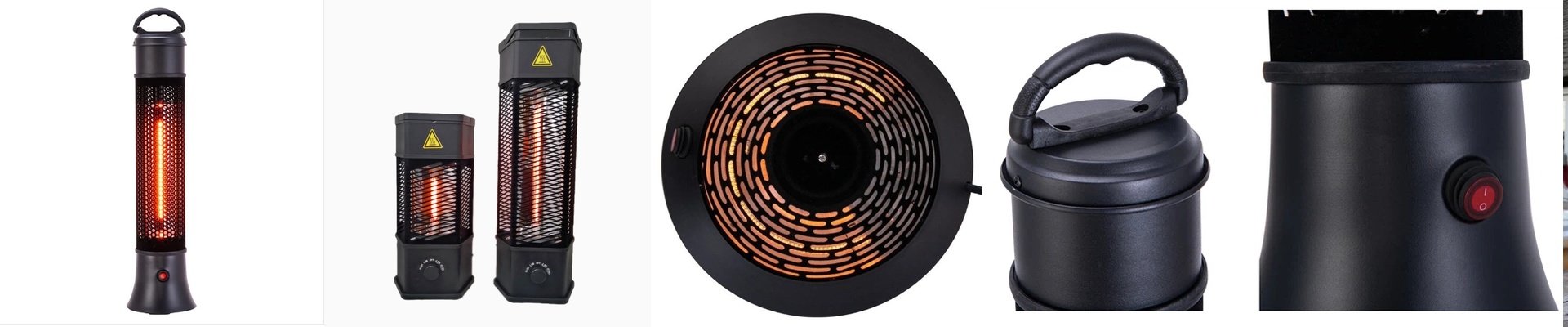
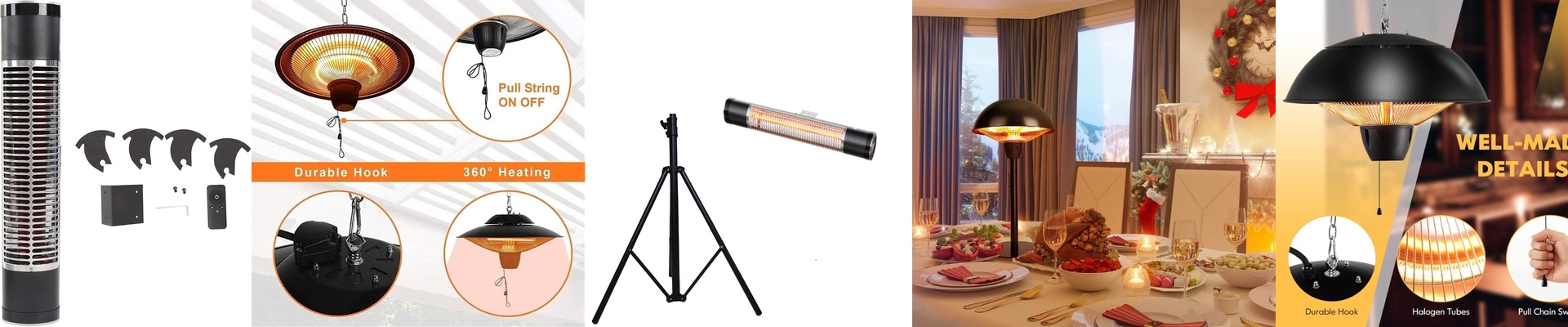
Municipal buildings don’t shut down when the sun goes down. Offices stay lit, community halls stay in use, and maintenance bays keep running. Heat has to be there when it’s needed, not when the old boiler decides to run. We built our app-controlled infrared electric heaters to stop the waste that happens when you run a big system just to cover a few occupied hours.
What matters, technically
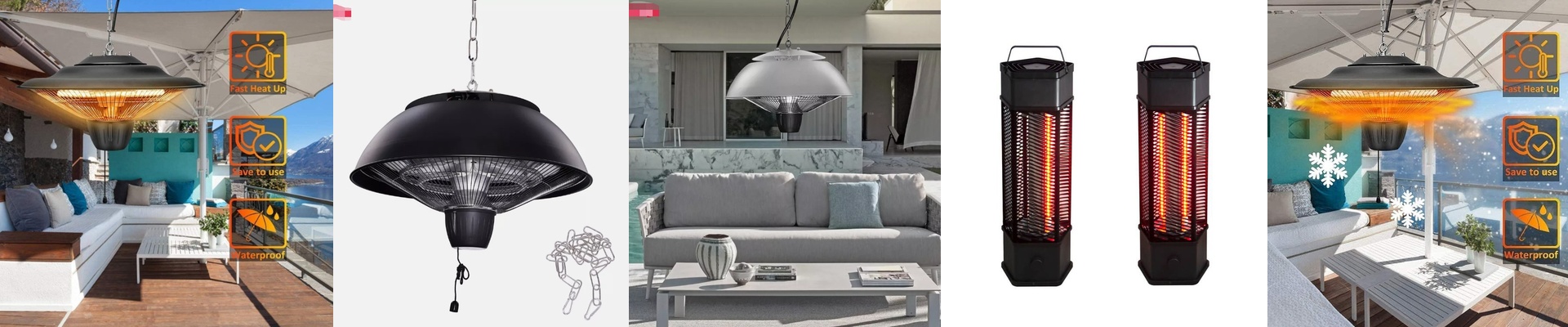
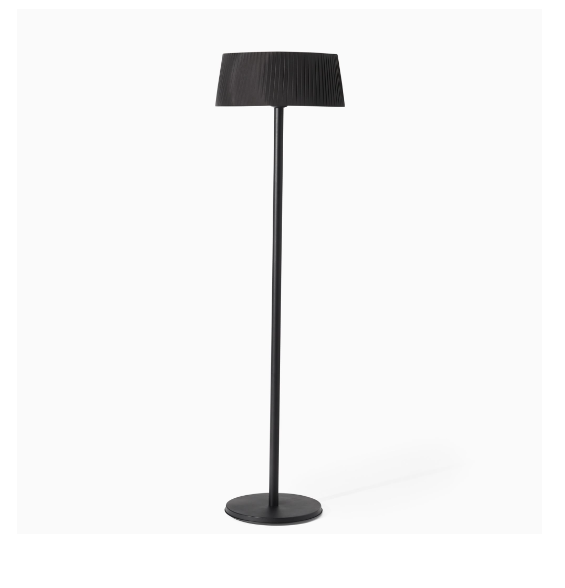
Infrared warmth is direct—radiant heat that warms people and surfaces first, instead of chasing air temperature around the room. Our units use efficient carbon fiber elements and a focused reflector, so the heat goes out with minimal loss. You can set comfort precisely. An integrated thermostat handles the basics, and the onboard app adds scheduling, target temperature, and occupancy-based control. These heaters run on standard electric circuits, install cleanly, and include tip-over protection and overheat protection—so they can sit there and do their job without needing constant babysitting.
Why this fits municipal work
Public facilities don’t heat by calendar. They heat by foot traffic. Infrared electric heat comes on instantly, so you only warm the rooms that are actually in use—no long warm-up waste from conventional systems. With app control, maintenance teams can set zones, adjust schedules, and pause heating during low-occupancy stretches. That trims runtime while keeping comfort steady. The numbers show up where it counts: lower peak demand, fewer demand charges, and fewer wasted kilowatt-hours. Over time, that adds up to a real reduction in annual heating spend.
The practical details
Infrared is most effective when objects and occupants get line-of-sight warmth, so placement matters. In large rooms with high ceilings, plan for multiple units—otherwise comfort can end up uneven. The app depends on a stable network. During outages, manual control keeps operations moving. When you lay it out right, these heaters deliver dependable comfort—and a straightforward path to lower operating costs.