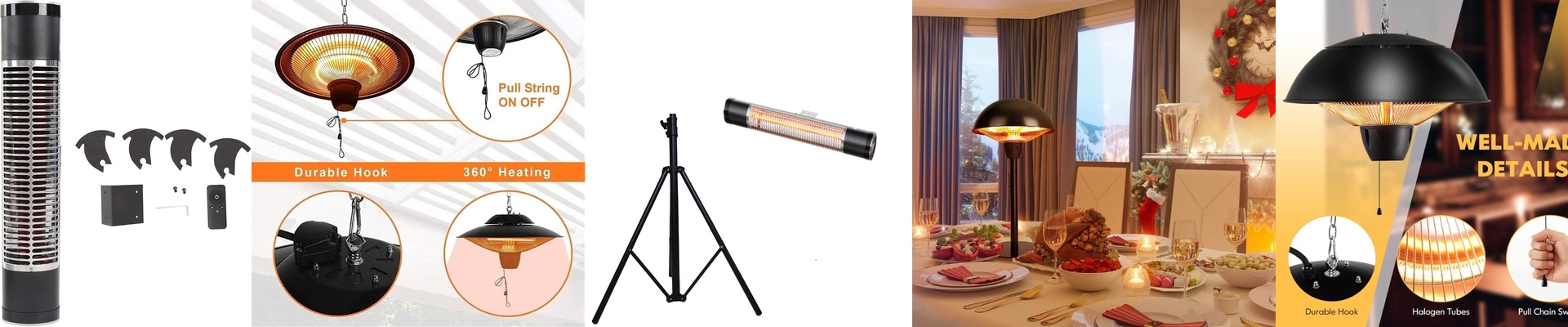
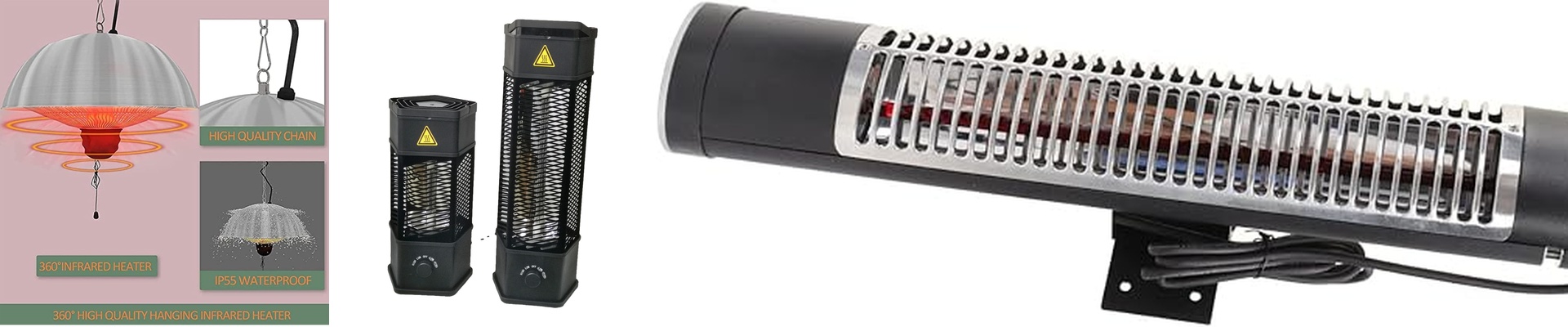

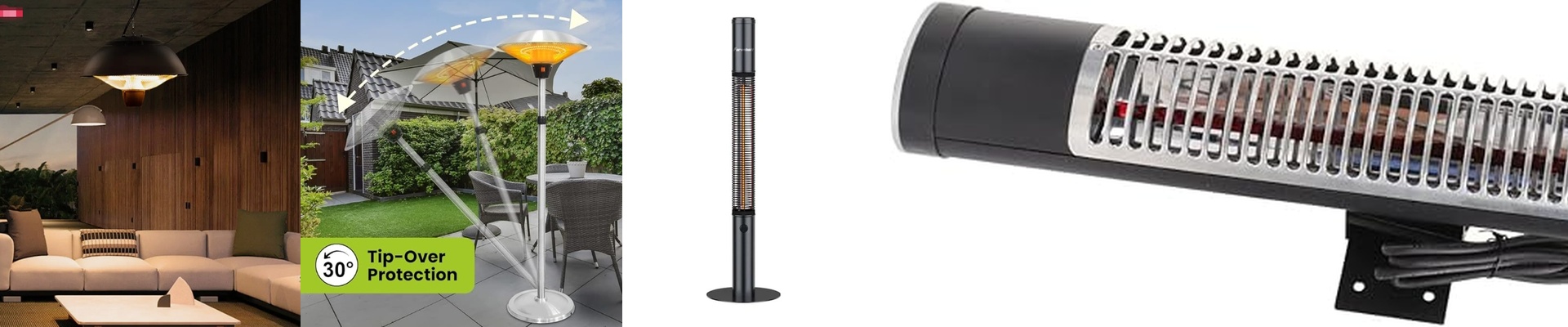
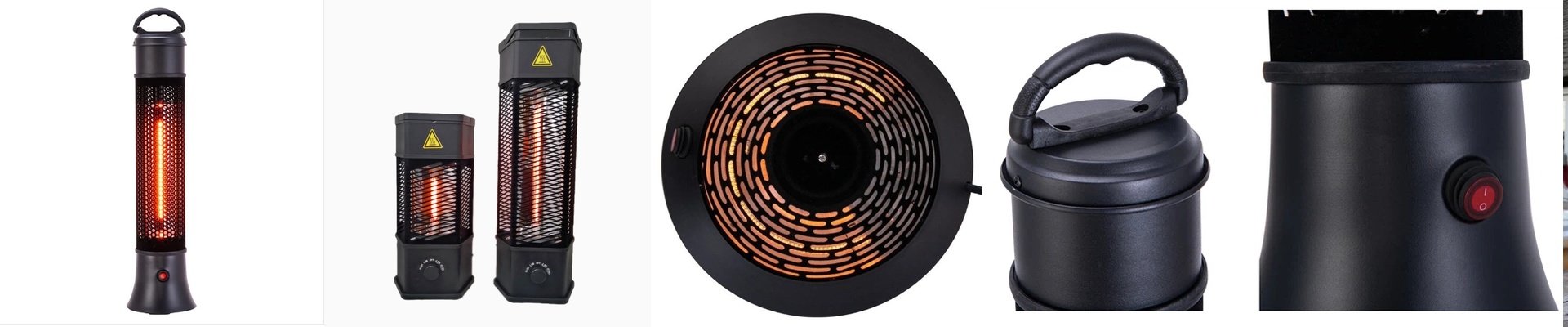
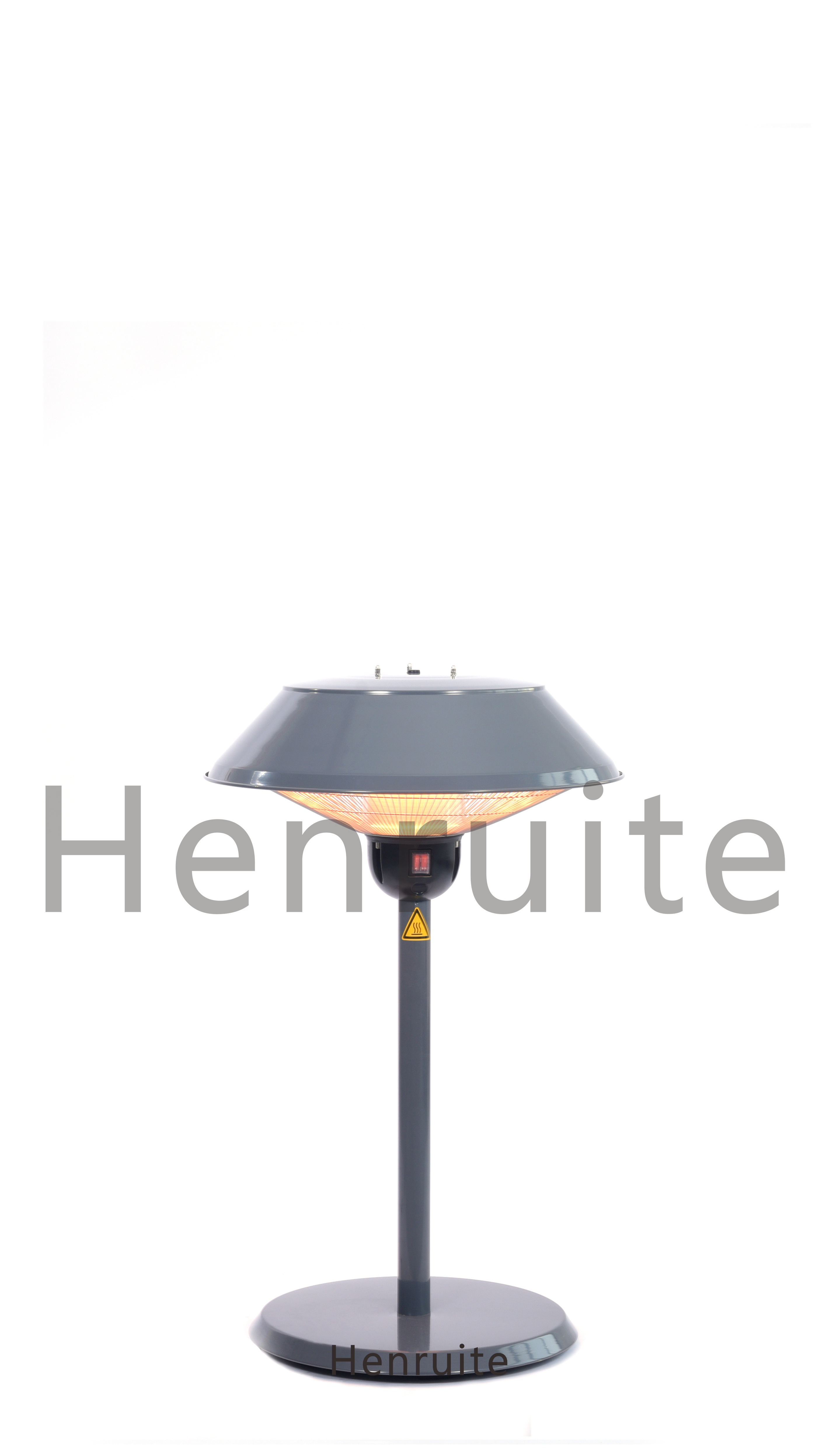
Steam coats everything, and the air is heavy with moisture—bathrooms are brutal on electric heaters. Comfort doesn’t mean a thing if the unit can’t stay safe, dry, and stable in that environment. A standard electric heater can pull moisture into internal wiring, and that’s how you get short circuits or worse. You need a heater built to handle the damp without cutting corners.
What matters, technically
Our Salamander electric infrared heaters use a sealed quartz tube system. The heating element is fully isolated from the outer casing, and double insulation keeps live parts separated from the surroundings. We spec IP54-rated housings to handle water spray, and we include a grounded three-prong plug plus a thermal cutoff switch. What this looks like in practice: you feel radiant heat, not heated air that can carry moisture into electrical components. The performance stays consistent, even when the showers keep coming back to back.
Why it works in a humid bathroom
Infrared warmth makes sense here. It heats people and surfaces directly, so the room feels comfortable faster, and you don’t get that sudden chill when an air-based heater cycles off. Because the internal circuitry stays dry, you don’t have to worry about corrosion or insulation breakdown. That translates to fewer interruptions, less maintenance, and steady comfort right when you step out of the shower.
Installation and placement—what to watch for
Installation is straightforward, but placement matters. Mount the unit at least 60 cm from water sources, and use the included template to get height and clearance right. Plug it into a grounded outlet on a circuit that can handle the rated load, and don’t run it off an extension cord. One practical note: infrared heat is directional.Position it so the beam hits the spot where you towel off—that’s where you feel the benefit immediately.