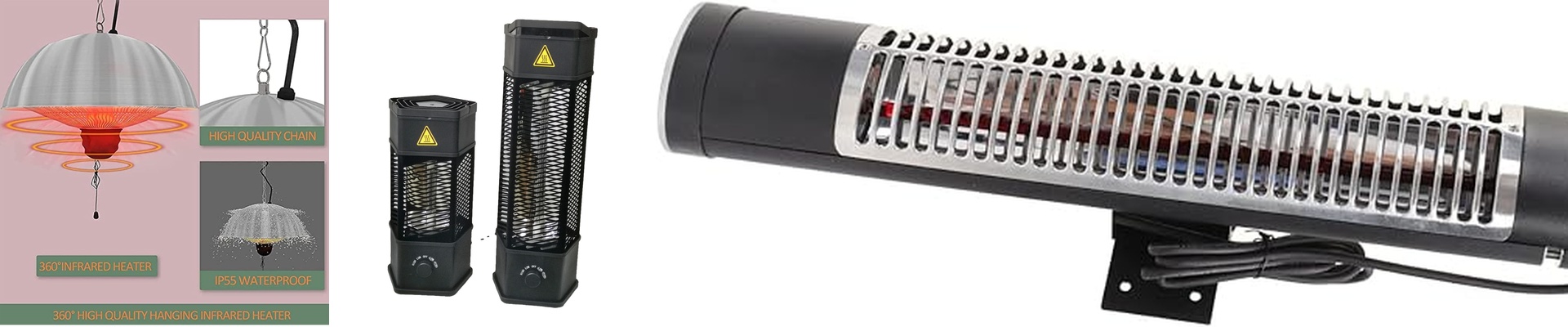
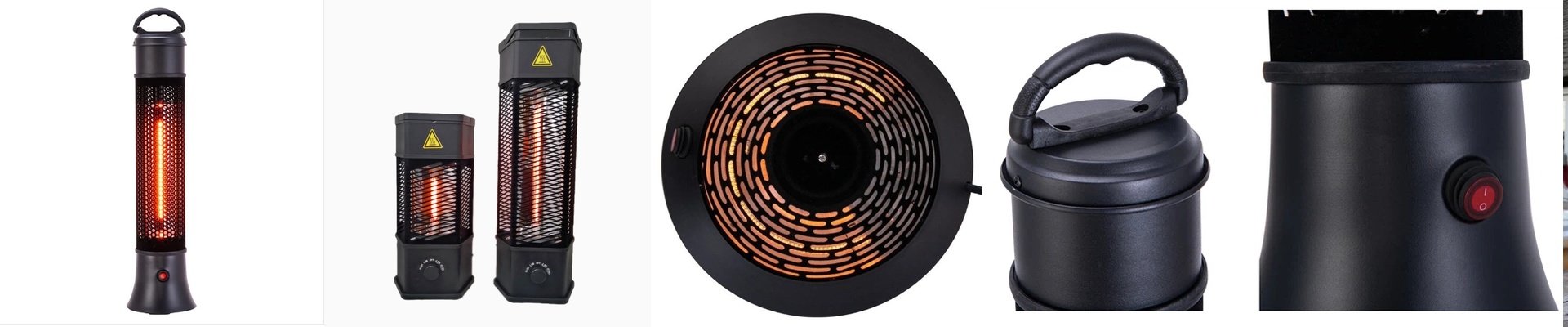
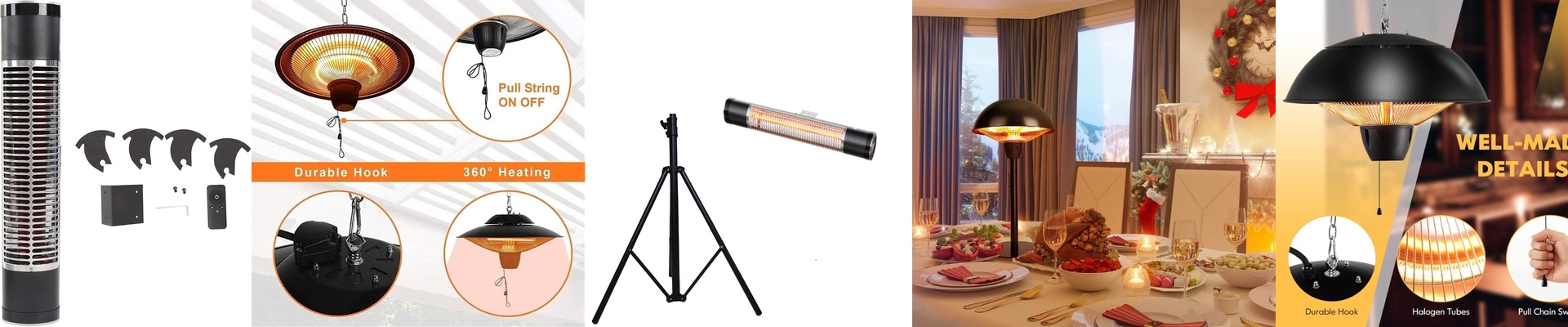
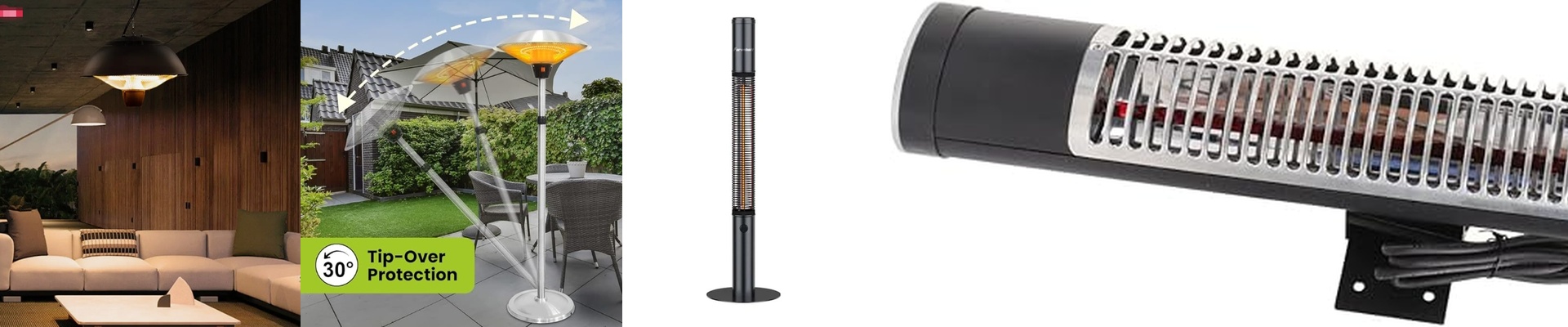
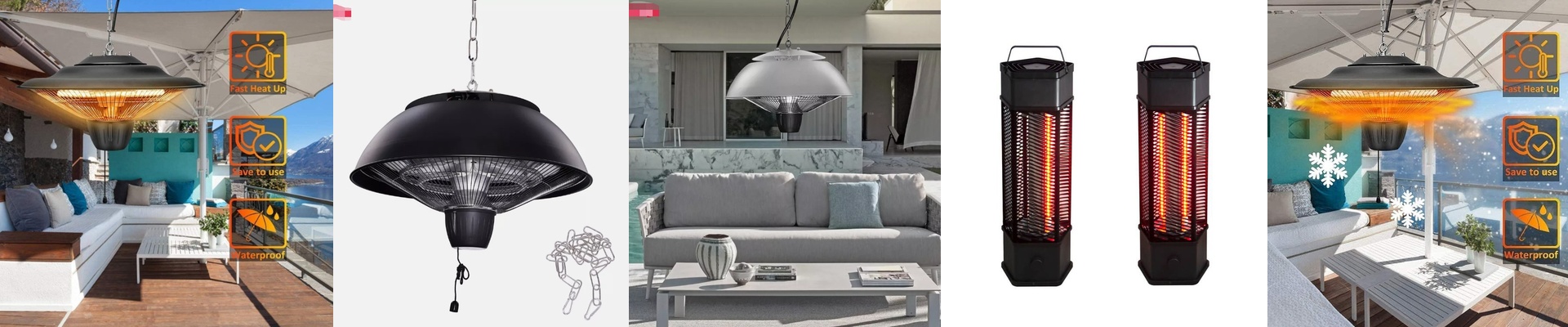
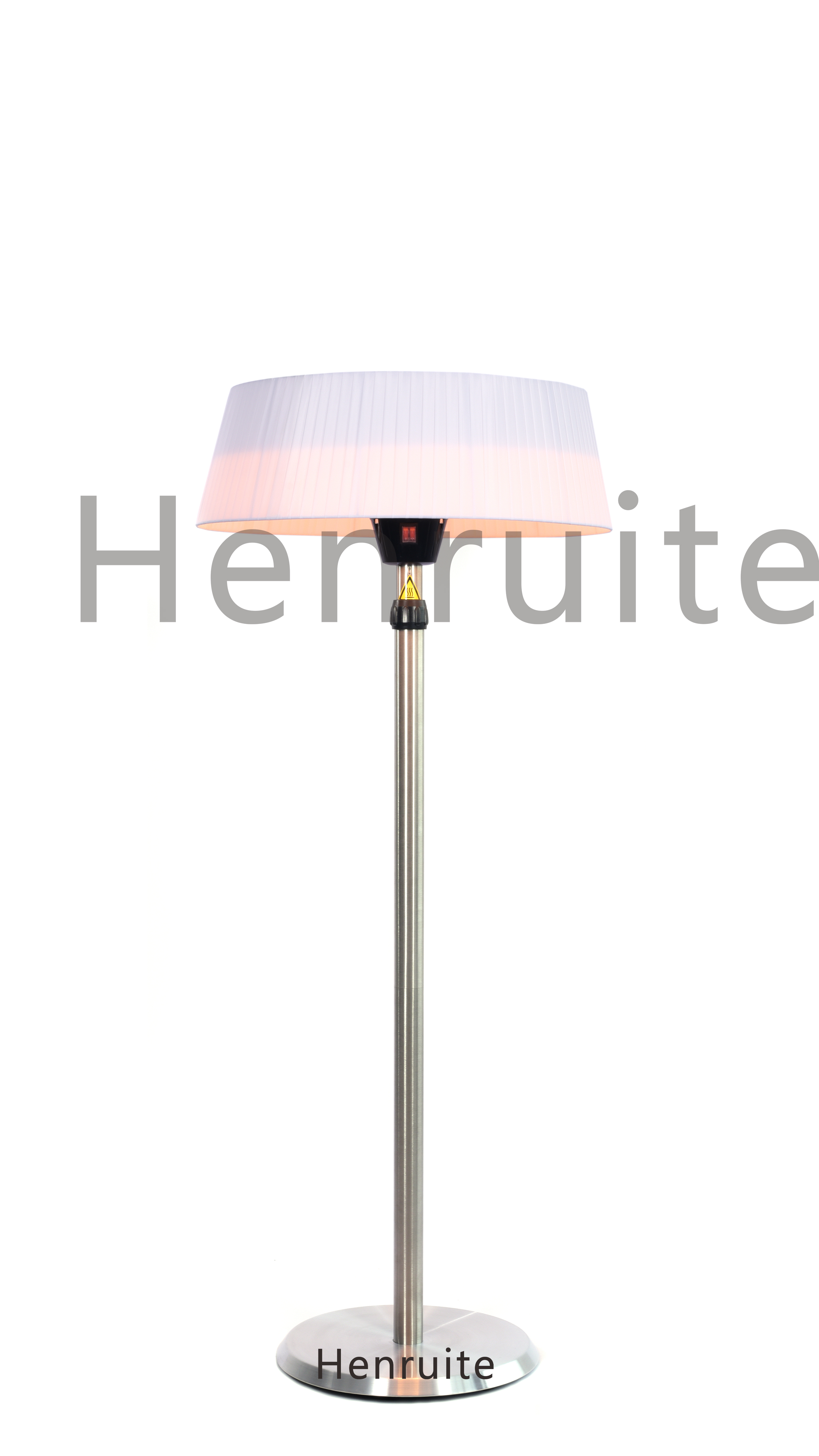
Voltage dips and surges aren’t just annoying—they quietly chew up infrared heaters, especially when the grid is strained. We built our programmable electric heater around a voltage-compensation circuit that keeps radiant output steady, even when line conditions swing. The payoff is comfort you can count on, season after season. What matters under the hood This infrared electric heater runs on a high-efficiency carbon fiber element, paired with a smart control board that keeps an eye on line voltage continuously. If voltage climbs, the system trims current to hold the target temperature. If voltage dips, it adds just enough to keep the element at the set point. You get stable radiant heat without overshoot, and the element avoids repeated thermal shock. In practice, that translates to fewer on/off cycles, steadier warmth, and a design that can live with the realities of home wiring and outdoor installs. The unit is fully programmable, with a thermostat that lets you set comfort by the hour, and it comes with standard safety protections—tip-over protection and overheat protection. Why this matters where you need it Infrared warmth is about immediate comfort—no waiting around for air to heat up. But that immediacy only matters if the heater holds up when voltage is shaky. The compensation circuit protects the core components, so output stays consistent during storms, on busy grid days, and in places with older wiring. You feel it as steady, even warmth, and you get peace of mind knowing the heater isn’t being hammered into early failure. For outdoor living spaces, that means fewer service calls and more evenings enjoying the patio instead of chasing trouble. What to keep in mind For best results, install the heater on a dedicated circuit and make sure the outlet matches the unit’s plug and voltage rating. The compensation system works within its specified voltage window, so extreme fluctuations still need a stable supply. If you’re running it outdoors, choose the appropriate IP-rated model and position it to limit exposure to wind and moisture. Set the programmable schedule to match your routine, and you’ll keep energy use in check without giving up comfort.