Stop Wasting Power on Your Glass Jewelry
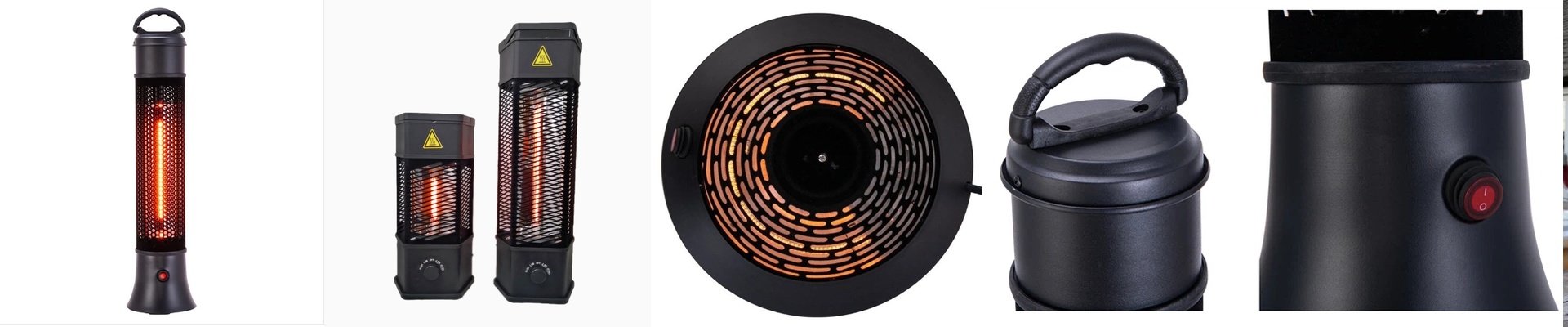
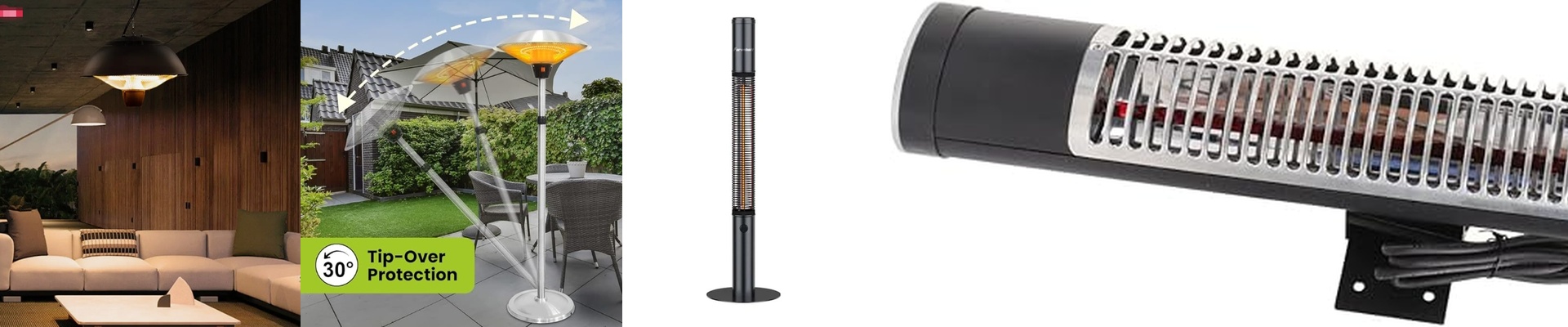
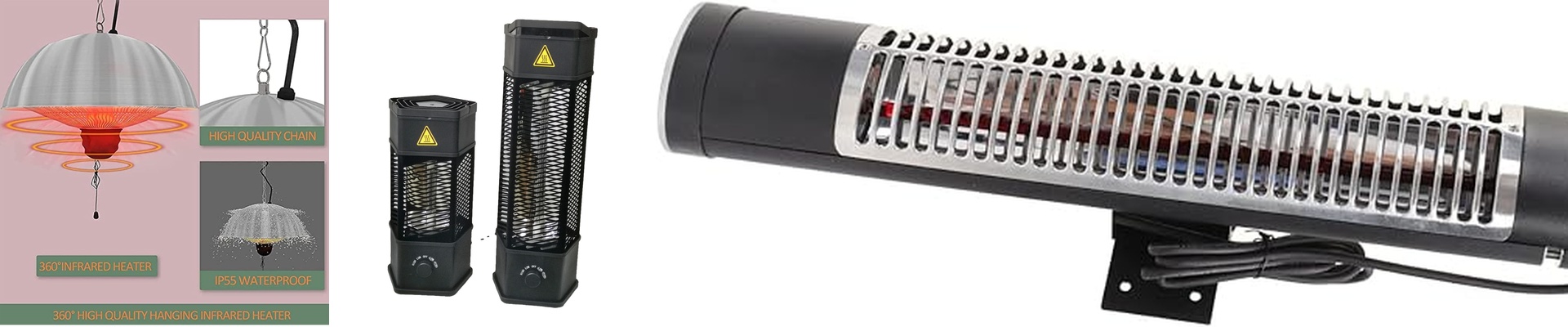
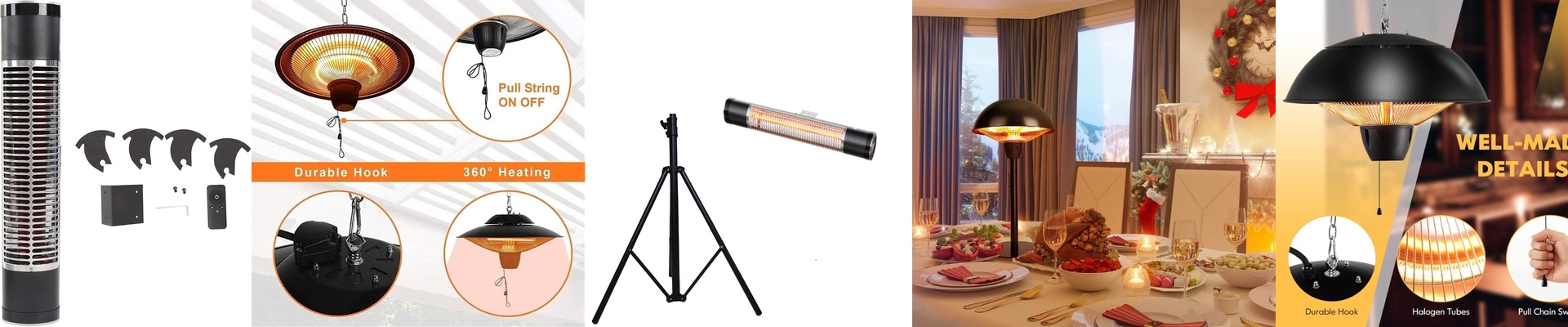
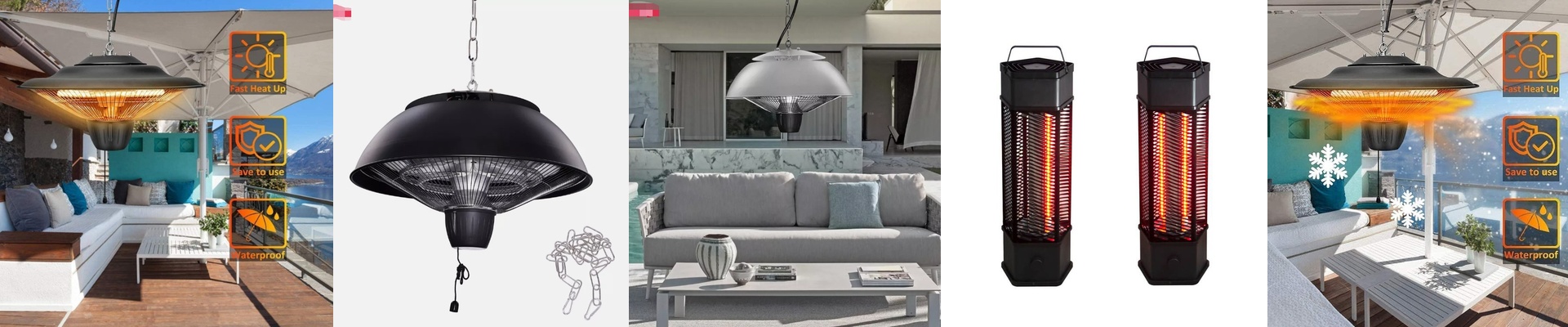
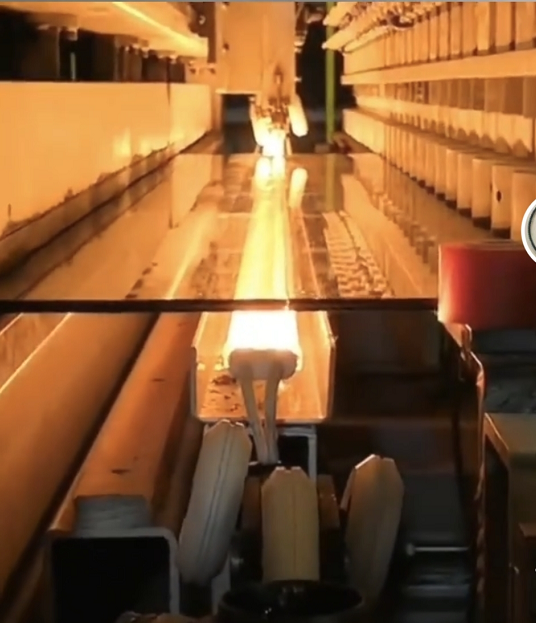
Let’s be honest: annealing glass jewelry can be a total power hog. Most of us are still using those old-school resistive ovens. The problem is they try to heat up every single inch of air inside the chamber just to get a few small pieces of jewelry up to temp. You’re basically paying to heat the insulation and the empty space around your work. It’s a waste. We decided to do things differently. Instead of heating the air, we use short-wave infrared (IR) lamps. Here’s the thing: IR lamps don’t bother with the “hot air envelope” approach. The radiation actually sinks into the glass and turns into heat right where it matters. It’s direct. It’s fast. And because you aren’t waiting for a giant box of air to warm up, your ramp-up time drops and your electric bill follows suit. The Nitty-Gritty We use high-wattage quartz tubes because they react instantly. You flip the switch, and the heat is there. But there is a catch. This kind of heat is intense. If you don’t have the right cooling fans or the right housing materials, you’ll end up warping your fixtures. It’s also a good idea to use voltage stabilizers if your power grid is a bit flaky—otherwise, you’ll be replacing burnt-out filaments way too often. Getting it Set Up We stick with quartz glass envelopes because they can handle the heat without breaking down. The best part? You don’t need to rip out your entire studio. Most of our units are designed as drop-in replacements. You can usually just wire them into your existing controllers and get moving. It really comes down to one simple idea: stop heating the room and start heating the glass. It turns a slow, expensive slog into something that actually feels like a precision tool.