
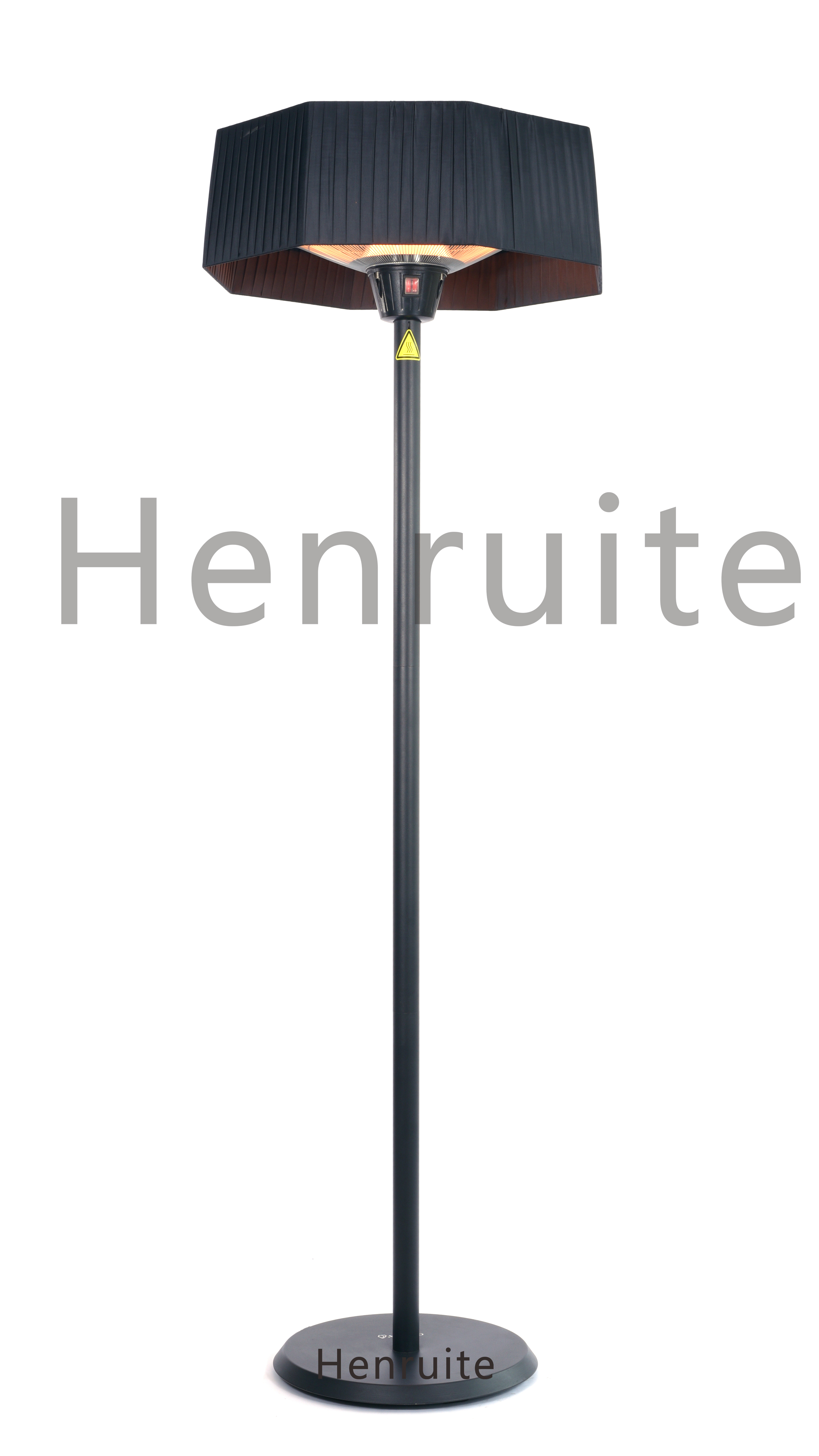
Why We Use Explosion-Proof Quartz in Your Bathroom Heater
Let’s be honest: bathrooms are a nightmare for electronics. You’ve got steam everywhere, high humidity, and the constant threat of a stray splash of cold water hitting something that’s glowing red-hot. That’s why we don’t just use any glass for our heating filaments. We use high-purity quartz. Here is the deal: when cold water hits a hot surface, most glass panics. It expands or contracts too fast and just… snaps. We call that “thermal shock.” In a shower, that’s not a possibility—it’s a daily reality. **Quartz is different.**It barely moves when the temperature swings. Whether it’s freezing one second and scorching the next, the tube stays put. It’s basically the only thing standing between you and a live electrical wire, so we don’t mess around with the quality. Then there’s the heat itself. These heaters use short-wave infrared radiation. If you’ve ever stepped into the sun on a chilly winter day, you know that feeling—you feel the warmth on your skin instantly, even if the air is still cold. It’s a great feeling. But that kind of intensity puts a lot of pressure on the glass. If we just crammed too much power into a tiny tube, we’d fry the seals and the end caps. We spend a lot of time balancing the wattage against the size of the tube to make sure it stays efficient without burning itself out. One last thing if you’re installing these:please, ground your housing. The quartz is tough, but your wiring is still just wiring. Steam loves to find a way into the electronics. We use sealed gaskets to keep the moisture out, but if those fail, your circuit breaker is going to trip. Also, double-check your wiring gauge. These heaters pull a decent amount of current the moment they kick on, and you don’t want a voltage drop making your heater feel lukewarm. Keep it grounded, keep it sealed, and you’ll have a warm bathroom all winter.