




Keeping Your Bathroom Infrared Heaters Safe (And Dry)
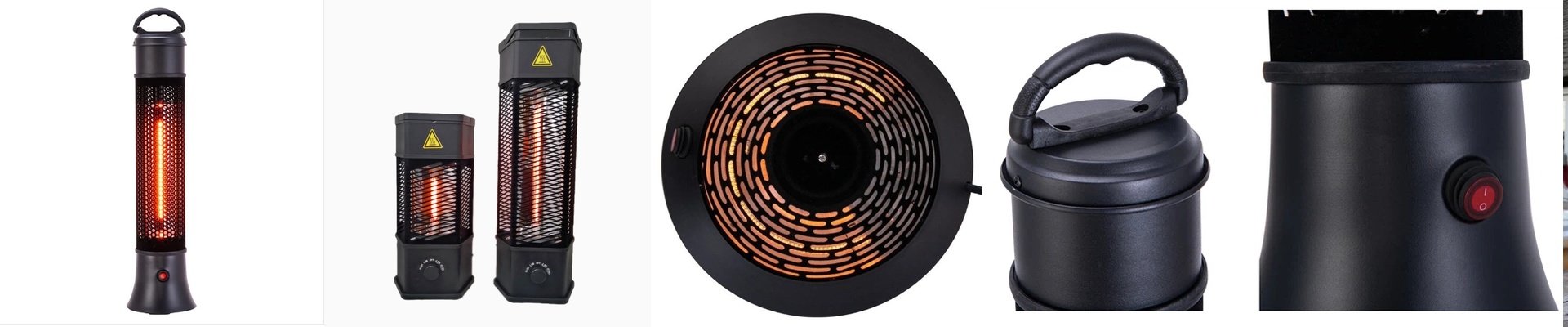
Putting an infrared heater in a bathroom is basically like inviting a fight with steam and moisture. If you aren’t careful, those standard heating elements can short out or start leaking current. Not great. To make sure everything is actually safe, you have to look at two things: how the housing handles electricity and how tight the seals are. Dealing with the damp Here’s the thing: water vapor kills the resistance of most insulating materials. To stop the heating filament from touching the metal chassis, we stick with high-grade alumina ceramics or reinforced quartz sleeves. The goal is simple. You don’t want electricity jumping from the live element to the grounded casing. When you’re testing these, you want to see that insulation resistance stay above 100MΩ, even when the room feels like a sauna. Where things usually break Most of the time, the failure happens right where the wires meet the lamp. If you just use a standard R7s or SK15 base without a moisture-proof shroud, the terminals will corrode. Then comes the arcing. Then comes the burnout. To stop that, we use IP65-rated sealed connectors or epoxy-potted terminals. It’s all about keeping the wet stuff out. We also throw in silicone gaskets and heat-shrink tubing to build a real physical wall against condensation. Grounding and the trade-off A tight seal is a start, but it’s only half the job. Any heater mounted on a high ceiling needs to be hard-wired to a dedicated ground. We use a grounded metal guard so that if something does fail inside, the circuit breaker trips instantly. It’s much better than the heater’s shell becoming live. Now, there is a small catch. When you add heavy-duty waterproofing and thick insulation, you lose a tiny bit of heat transmission. You might see a 2-5% drop in output. It’s a fair trade. A slightly cooler room is a lot better than a heater that’s become a liability in a wet zone.