
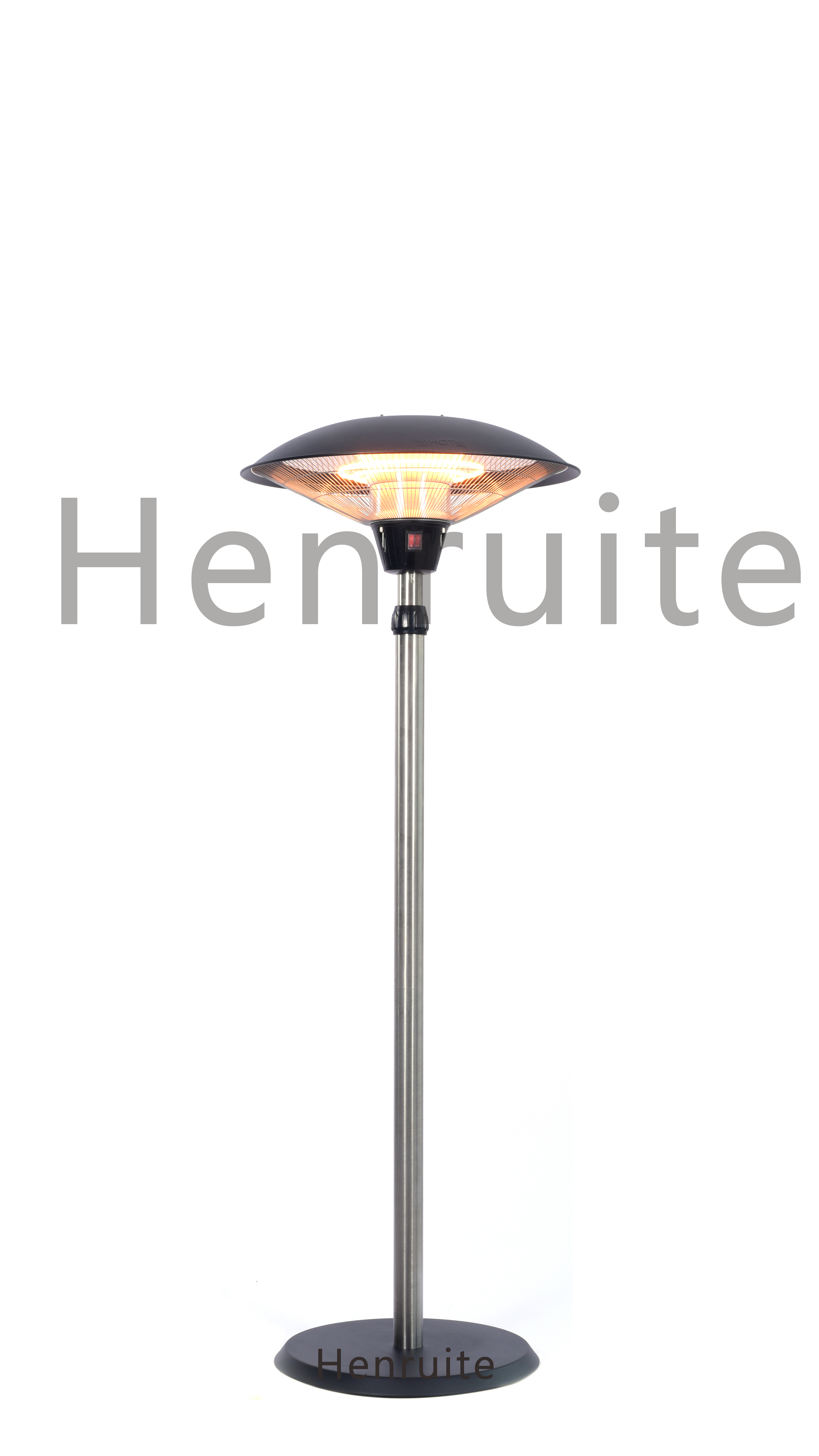
Stop Wasting Time on Your Ceiling Heaters
Let’s be honest: factory ceilings are brutal. Between the thick layers of dust and the constant heating and cooling, your heating elements are basically fighting a losing battle. Eventually, a tube is going to burn out. Maybe it happens in year five, maybe year seven. But when it does, the real cost isn’t the part itself. It’s the headache of renting a scissor lift and the nightmare of shutting down production for a few hours. That’s where the money actually disappears. The “Plug-and-Play” Way We got tired of seeing people tear down entire units just to fix one part. So, we stopped hard-wiring everything into the chassis. Instead, we went with a modular setup. Think of it like swapping a battery. You don’t have to rip apart the reflector or mess around with the control box wiring. You just pull the dead module out, slide a new one in, lock it down, and you’re done. It turns a grueling electrical project into a quick swap. Your tech spends minutes on that lift, not hours. The Nitty-Gritty Now, here is the trade-off. Using connectors instead of soldering does create a tiny bit of resistance. To stop that from turning into a hotspot, we use high-grade conductive alloys in the terminals. It keeps things cool and safe. One quick tip:**keep your specs identical.**If you mix up the wattage or voltage when replacing tubes, you’ll get uneven heat. Worse, you’ll probably burn out your lower-rated tubes way faster than they should go. Making it Work in Your Space When you’re planning your layout, look up at your ceilings. With a modular design, you don’t have to drop the whole heater down to the shop floor to fix it. Your floor stays clear, and your lines keep moving. If you keep up with a basic cleaning schedule to keep the dust off, these things should easily last you five to ten years. Simple as that.