Making Your Outdoor Space Actually Warm (and Smart)
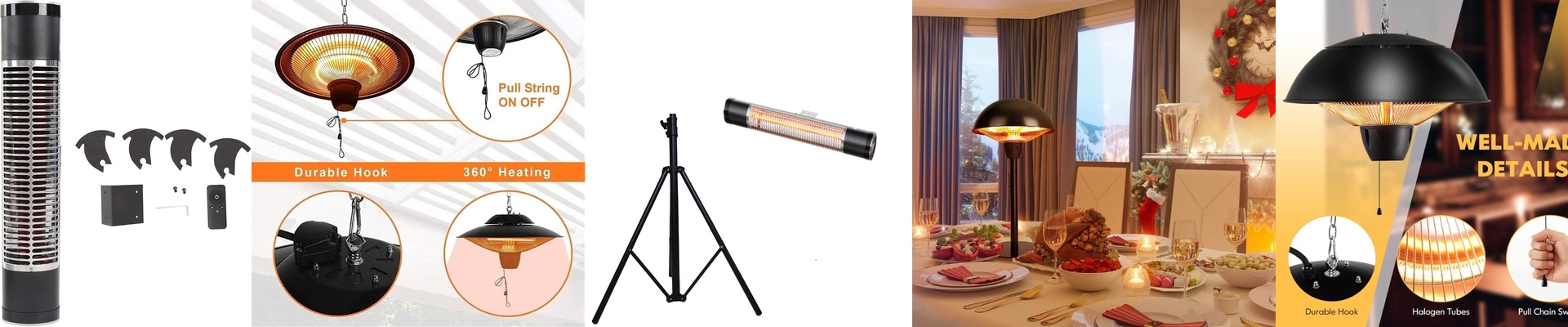
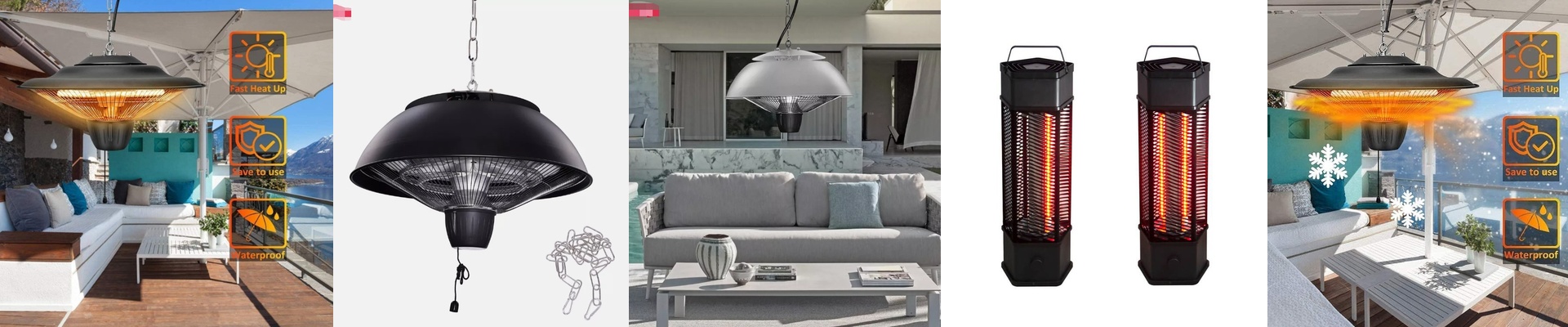
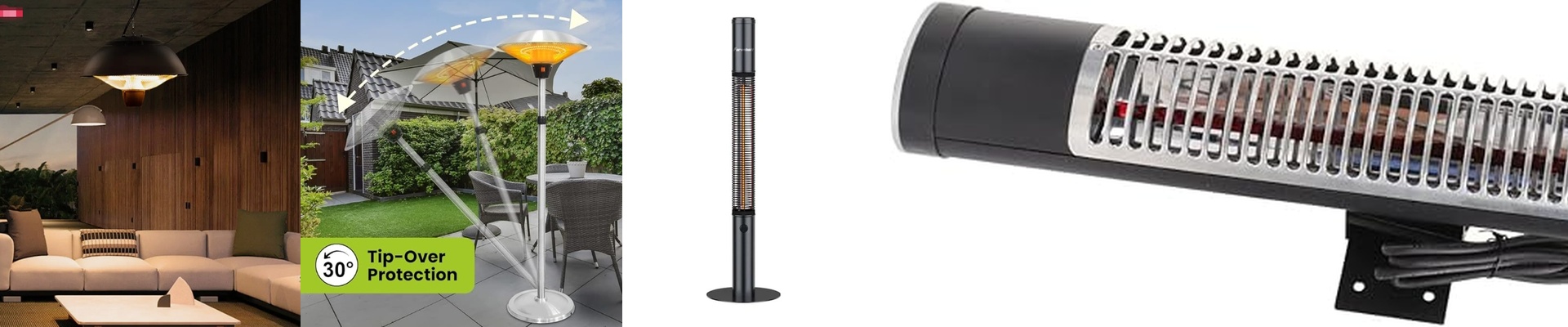
Ever tried to heat a patio or a porch? It’s usually a losing battle. You turn on a heater, and the wind just carries all that warm air away before you even feel it. That’s why we build our infrared heaters differently. Instead of trying to warm up the entire outdoors—which is basically impossible—these units beam heat directly onto you and your guests. It’s like stepping into a patch of sunlight on a cold day. Instant warmth. No waiting around.
The Nitty-Gritty on the Hardware
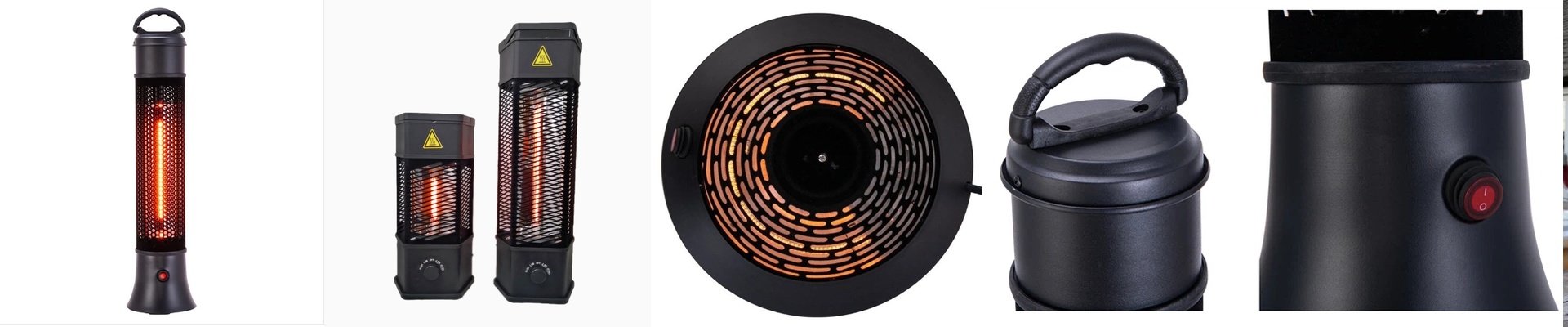
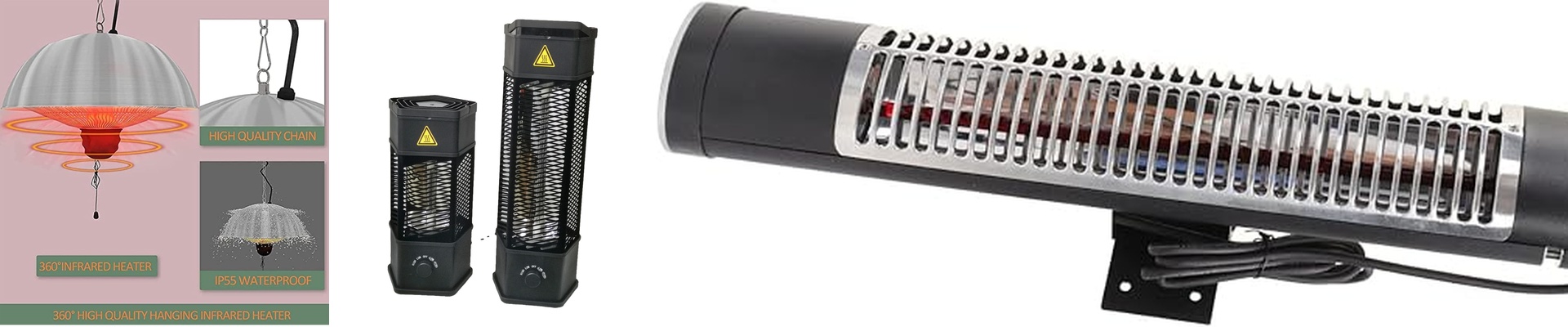
We use an IP65 rating, which is just a fancy way of saying these things are built like tanks. They can handle dust and rain without shorting out, thanks to sealed junctions and tough tempered glass. Inside, we use quartz or carbon fiber arrays that get incredibly hot. But here is the catch: these units pull a lot of power. If your wiring isn’t up to the task, you’ll deal with voltage drops. It’s worth double-checking your electrical setup before you plug them in.
Making it “Smart”
Nobody wants to get up from a cozy chair to flip a switch. To fix that, we connect the heater to your smart home hub using a simple Wi-Fi or Zigbee relay. Think of the relay as a digital finger that flips the switch for you. You tell your app or your voice assistant to turn on the heat, and the relay closes the circuit. The best part? Infrared is fast. Really fast. There’s no “warm-up period” like you get with those clunky oil radiators. The moment it’s on, you feel it. To keep things safe, we pair them with temperature sensors. If the area gets too hot, the system just kills the power automatically.
A Few Things to Keep in Mind
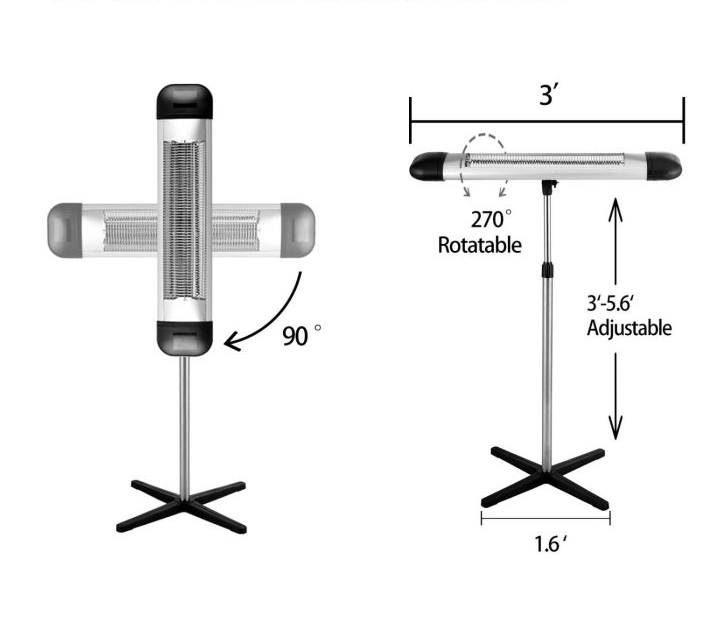
Since these units pull so much juice, be careful not to overload your breaker panel. If you put too many on one zone, you’re going to be staring at a tripped breaker. Also, remember that infrared heat travels in a specific pattern—kind of like a flashlight beam. If you don’t place them correctly, you’ll end up with “cold spots” where you’re shivering while the person next to you is roasting. The trick is to overlap those heat cones in your layout. Get the placement right, and you’ll have a perfectly warm spot to hang out in, no matter the weather.