Stop Fighting Your Equipment: A Smarter Way to Build IP65 Heaters
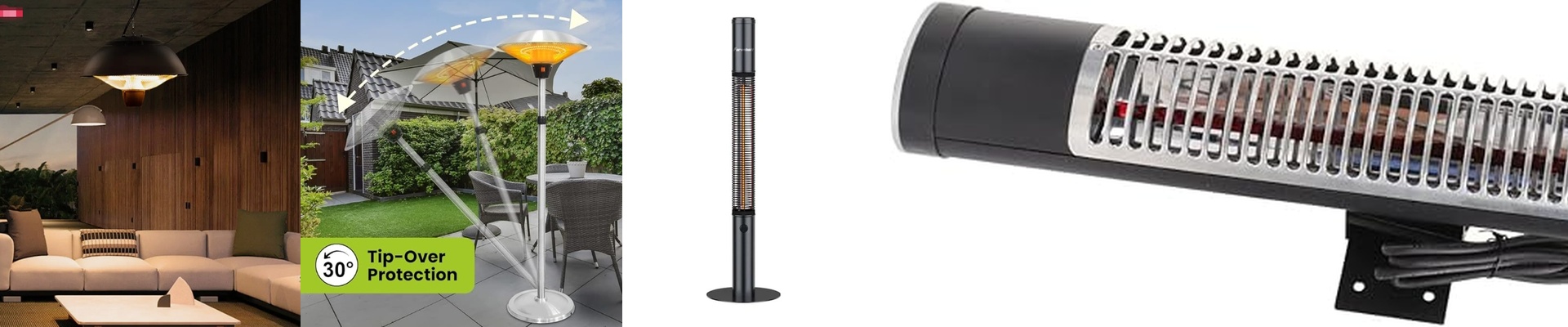
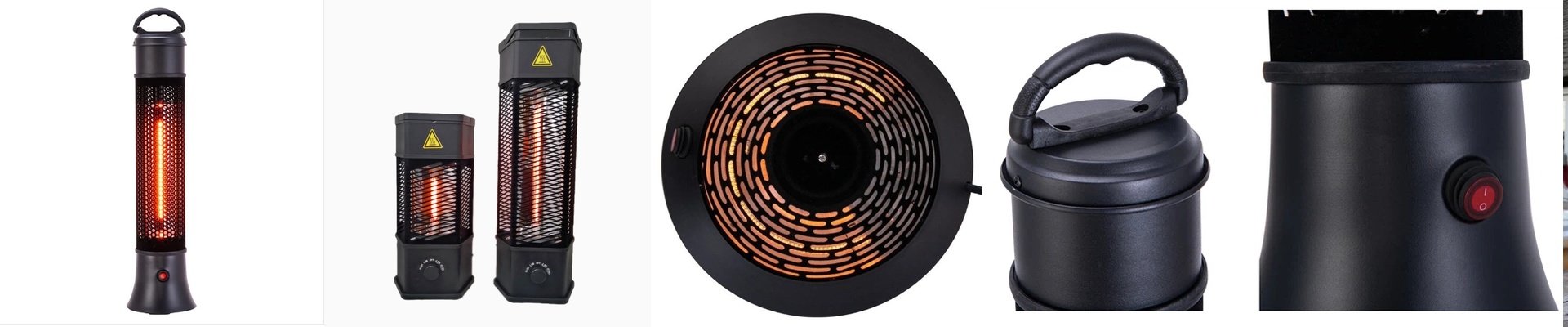
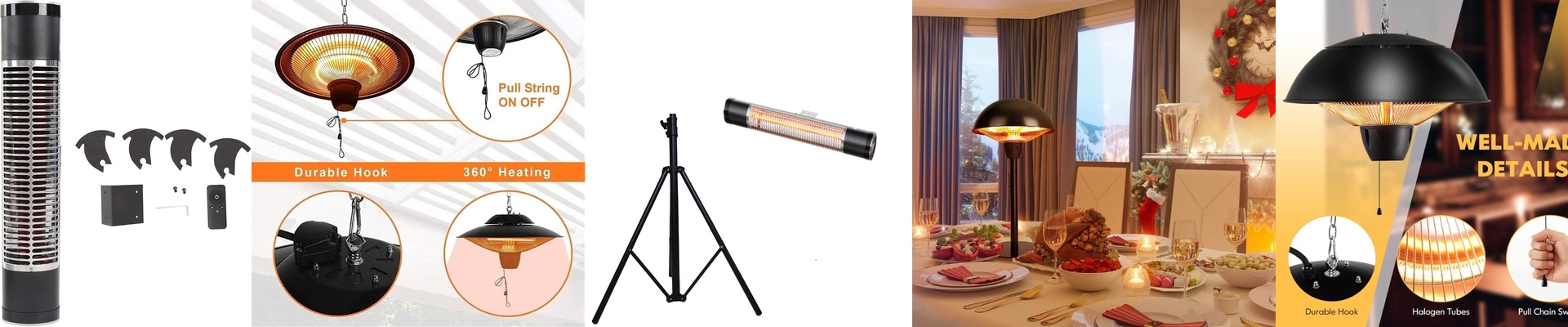
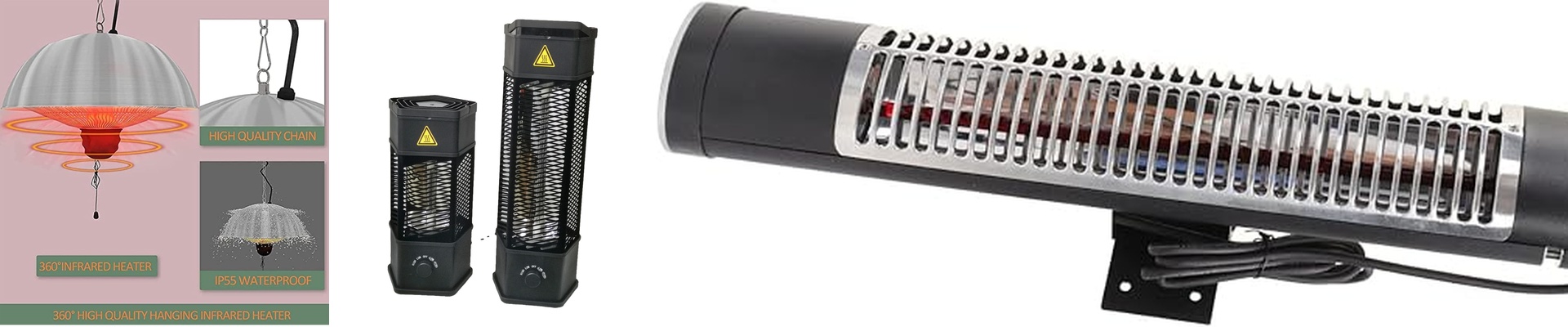
Let’s be honest about IP65 heaters. When you put one in a wet or dusty spot, you aren’t just protecting a circuit board from a few splashes. You’re signing up for a long-term relationship with that machine. And for most brands, that relationship is a nightmare. Usually, these sealed units are built like vaults. If one heating element goes south, you can’t just “fix” it. You end up ripping the entire housing off the wall and rewiring the whole damn thing from scratch. It’s a mess. The problem is the “permanent” seal. Most manufacturers just glue or weld everything together to keep the water out. It works great—until it doesn’t. When a tube burns out after five years of hard work, your team spends half a day fighting with stubborn gaskets and rusted fasteners. We got tired of that. So, we changed the architecture. Instead of one big, sealed block, we separated the waterproof chassis from the heating core. Think of it like a drawer. The infrared modules simply slide into a precision-fit track. If a tube dies, you don’t tear down the wall. You just pull the dead one out and drop a new one in. The rest of the unit stays sealed. And the wiring? No stripping wires. No soldering in the field while you’re shivering in a warehouse. We used quick-connect terminals. It’s a simple plug-and-play swap. What used to be a four-hour ordeal is now a fifteen-minute job. Now, here is the honest truth about the trade-offs. When you move away from a single piece of welded steel, you create more joints. More joints mean more places where things could go wrong. To fix that, we beefed up the gaskets where the modules meet. You get the speed of a quick-change system, but there’s a catch: you have to actually tighten the locking clips. If they’re loose, the waterproof rating is gone. Simple as that. We intentionally designed this for the “five-year mark.” We decided that making it easy for a technician to get inside was more important than saving a few inches of space on the wall. It’s a choice that feels a lot better when a tube fails on a Friday night and you want to go home.