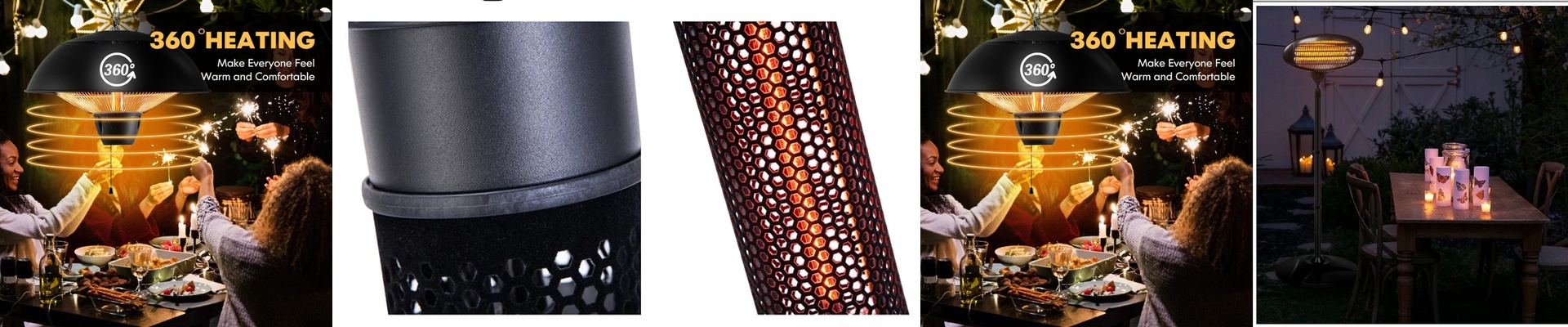
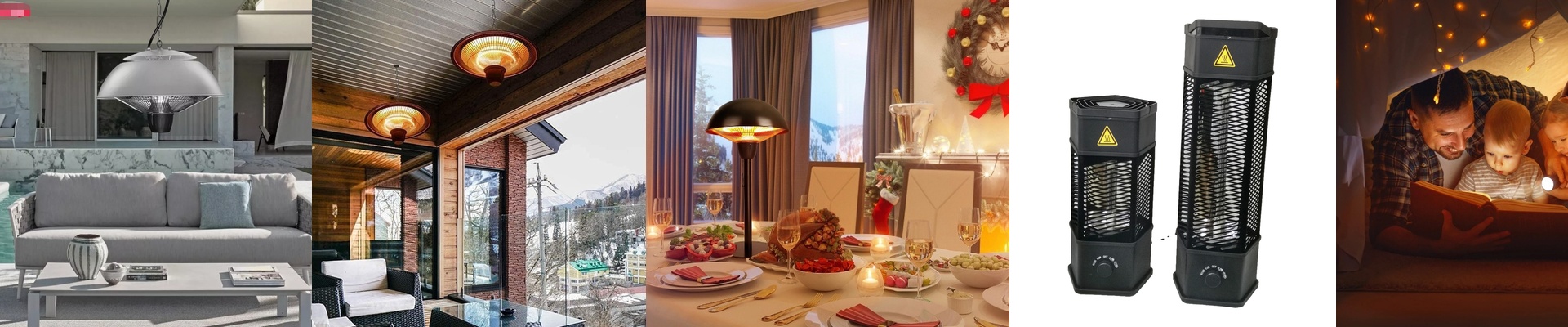
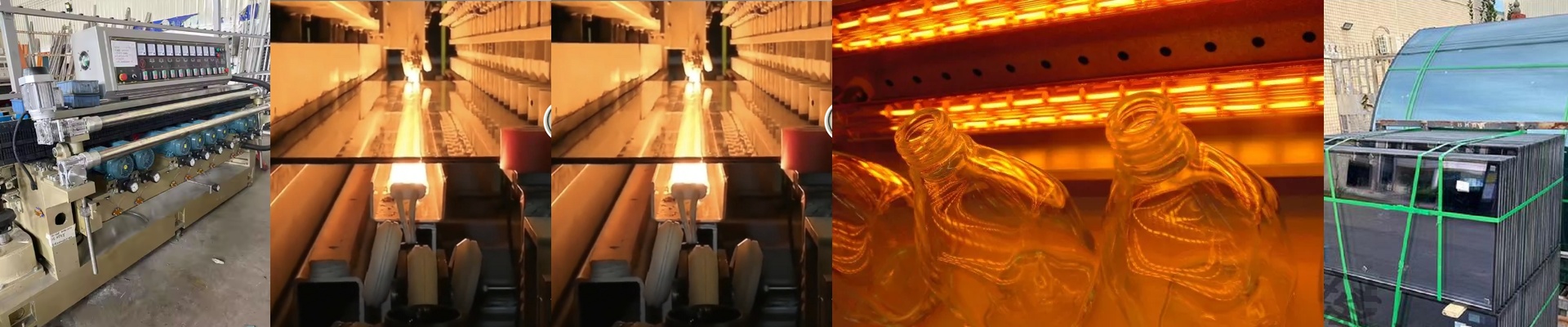
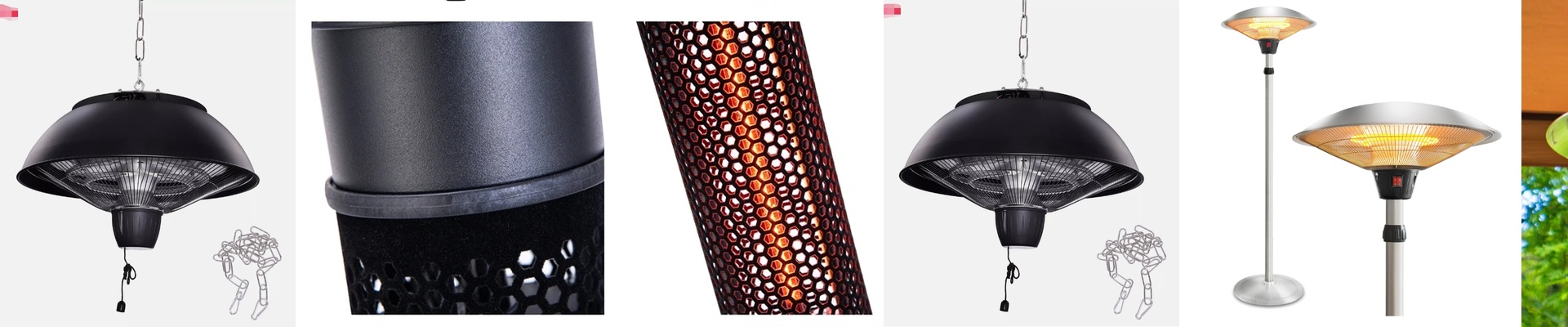
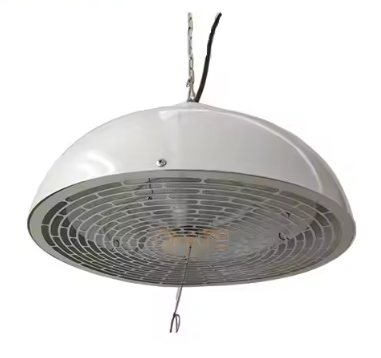
If you’ve ever worked in a high-ceiling factory, you know it’s a brutal place for gear. Between the floating dust, the humidity, and the random splashes, it’s basically a minefield for heating equipment. Most heaters just can’t hack it. That’s why we built our infrared radiators the way we did—to actually survive the chaos. Here is the problem: water and heat don’t mix. In a basic infrared lamp, a few stray droplets or some heavy condensation on the quartz tube can cause “thermal shock.” In plain English? The glass cracks. It’s frustrating and expensive. We fixed this by wrapping the emitter in a housing that blocks splashes and stops fog from building up. By managing the airflow and sealing off the electrical parts, we keep the moisture from ever touching the hot surface. The tube stays whole, even when you’re cranking the heat up fast. But it’s not just about stopping cracks. We didn’t just throw a plastic cover on these things. The housing is designed to keep grime and dust off the reflector. If your reflector gets coated in gunk, your heat doesn’t travel. It just dies right there at the source. Our design keeps the optics clean, so you aren’t spending your weekends climbing ladders to wipe down your heaters. Plus, we used heavy-duty gaskets and sealed the cable entries. This stops moisture from “creeping” along the wires and causing a short. You know the feeling—the humidity spikes in the warehouse and suddenly your breaker trips. With these, that just doesn’t happen. Now, a quick heads-up on installation. Because these are built like tanks, they’re a bit heavier than the cheap stuff. You can’t just hang them from a thin piece of sheet metal and hope for the best. Make sure your mounting brackets can handle the extra weight of the protective casing. It’s a bit more work upfront, and the fixture costs a little more. But we’ve seen these last twice as long in places like auto shops and PET blowing plants. It’s a lot better than the alternative: spending your budget replacing burnt-out tubes every six months.