
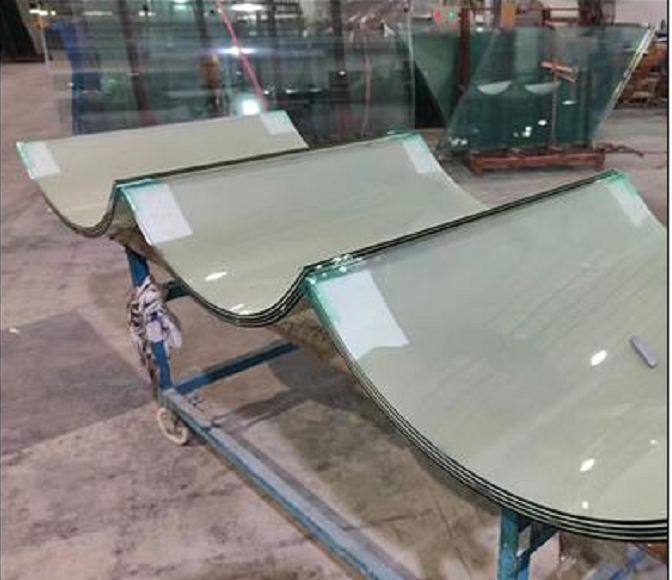
Stop the Chipping: Why We Preheat Glass Before the Cut
Glass is a pain. It’s brittle, stubborn, and the second you hit it with a cutting wheel, you’re dealing with localized stress. If the glass is cold, that stress usually turns into those annoying little chips or corner breakouts that ruin a perfectly good piece. The fix? We hit the glass with fast-response infrared radiators right before the cut. It changes how the material behaves, and honestly, it makes the whole process a lot less stressful. The science bit (kept simple) Here is what’s actually happening: the infrared waves soak into the surface and get the molecules moving. This makes the glass a bit more “flexible,” if you can call it that. When the glass is warm, the crack follows a straight line. It just behaves. But when you cut cold glass, the temperature difference between the cutting point and the rest of the sheet creates a mess. That’s where you get those jagged, ugly edges. The gear we use We go with shortwave infrared lamps. Why? Because they’re instant. Since the glass is flying down a conveyor belt, you can’t wait around for a slow heater to warm up. We need high power density so the surface hits the right temperature in a fraction of a second. The trick is the alignment. We mount them in a focused array, aimed exactly where the cutter hits. If you’re off by even a few millimeters, you’re basically just wasting electricity. The trade-offs Nothing is perfect. These lamps put out a ton of heat. They solve the chipping problem, but they’ll kill your hardware if you aren’t careful. You need a solid venting system or water-cooling, otherwise, your lamp sockets are going to fry. And you have to be careful with thinner sheets. If you crank the wattage too high, you risk thermal shock or warping the material. It’s all about finding that sweet spot between your line speed and the heat.