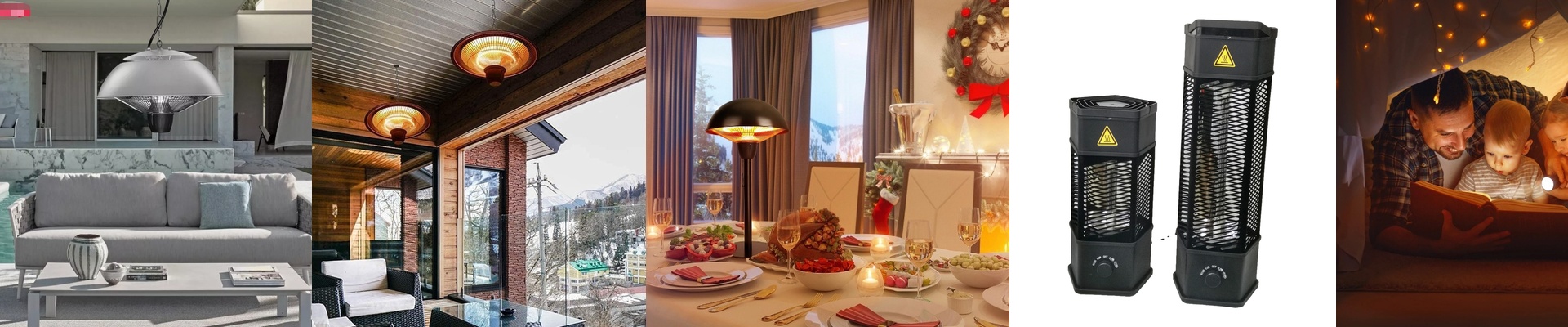
Stop the Mold: Why Ceiling Heat Lamps Actually Work
Most people think of those infrared bathroom lamps as just a way to keep from shivering when you step out of the shower. But if you look at it from a design perspective, they’re actually secret weapons for fighting moisture. We didn’t just build these to keep you warm. We built them to dry out your bathroom.
How it actually works
Here’s the thing about shortwave infrared: it doesn’t bother trying to heat up the air in the room. That takes forever. Instead, the heat goes straight for the surfaces. Think about those annoying little water droplets that cling to your walls and ceiling after a hot shower. The IR energy hits those drops directly and makes them evaporate fast. It’s a simple trick. By getting the humidity down quickly, you’re basically starving the mold. Mold needs dampness to move in and take over. If the room dries out in minutes, the mold never gets a chance to start.
The nitty-gritty details
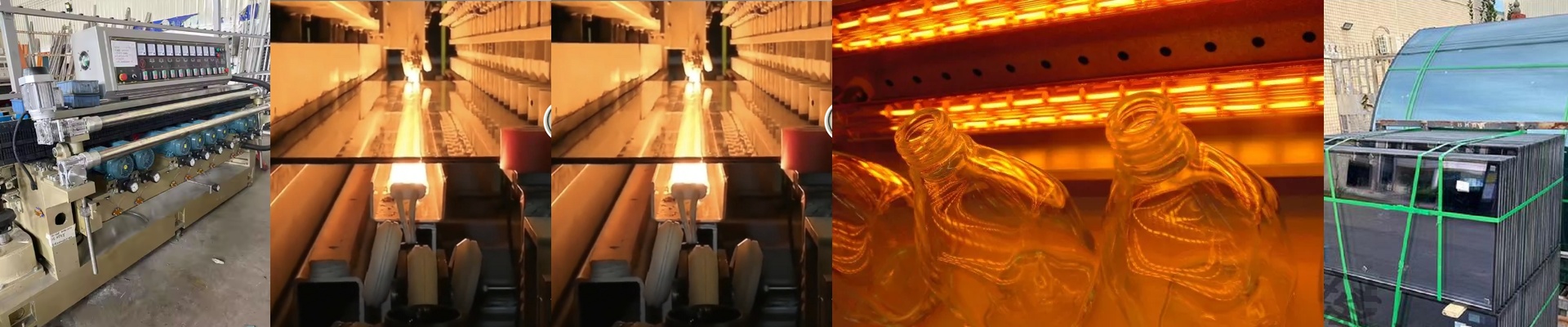
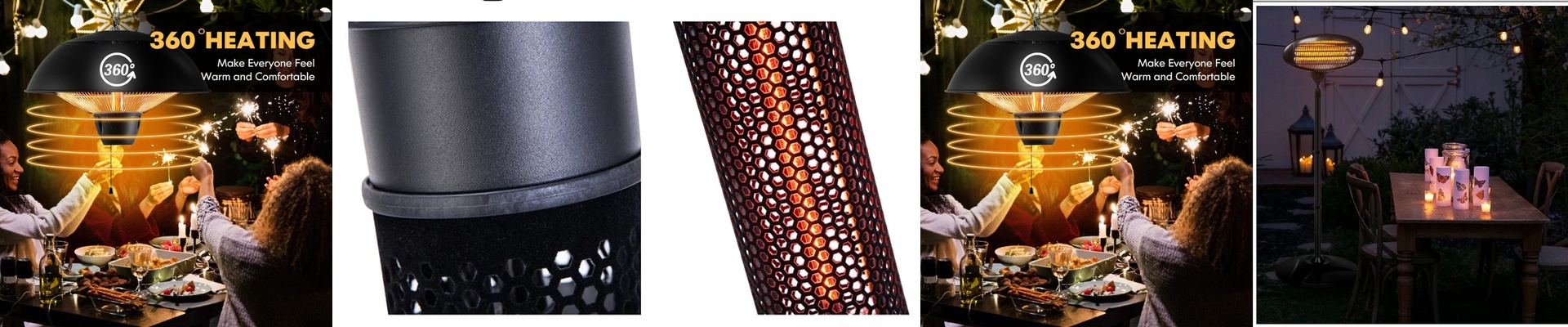
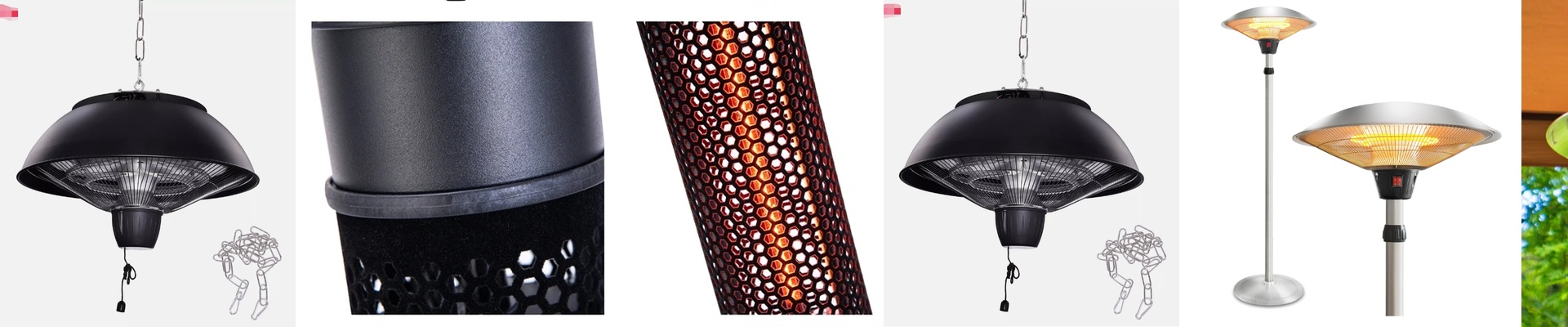
We use quartz envelopes for these lamps because they can handle the shock of turning on and off rapidly without cracking. We also use high-wattage halogen emitters. Why? Because you need a certain “punch” of heat to actually push the moisture off the walls. Placement is everything here. Putting them in the ceiling means the heat hits the exact spots where condensation loves to hide. One quick tip: we use sealed connectors to keep steam from eating away at the electronics. If you try to wire these up without the right moisture-rated housing, your sockets are going to burn out way sooner than they should.
A few things to keep in mind
Now, high-intensity heat is great, but it’s concentrated. If you mount the lamp too low, it’s going to feel like you’re standing under a heat lamp at a buffet—way too hot. You have to find the sweet spot between the wattage and your ceiling height. You want the room to dry out, but you don’t want to roast yourself while you’re brushing your teeth. And just a heads-up: these lamps evaporate the water, but they don’t make it vanish. You still need a decent vent or a window to push that moist air out of the house.