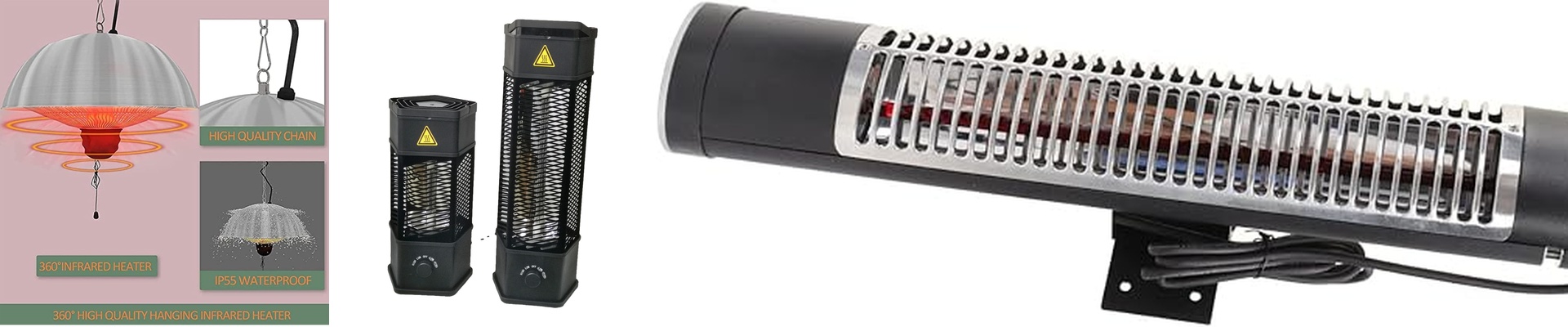
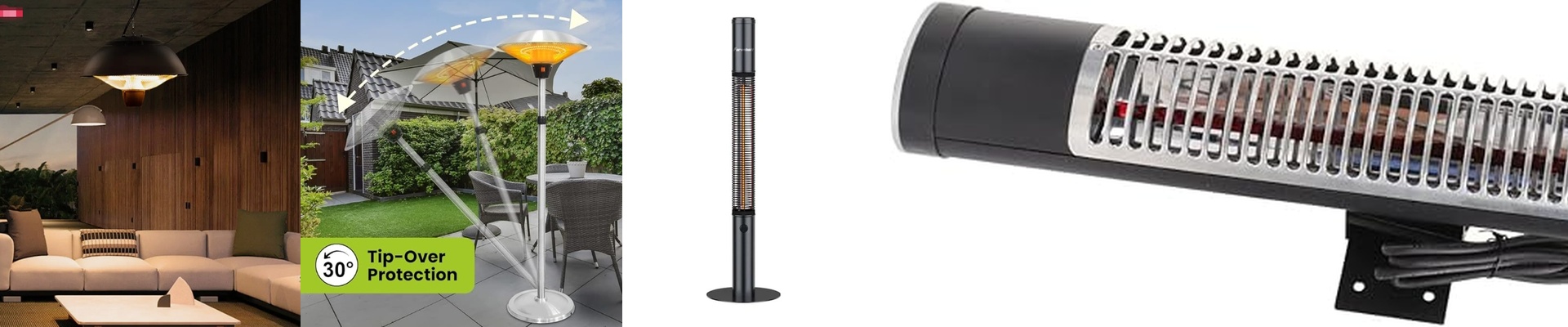
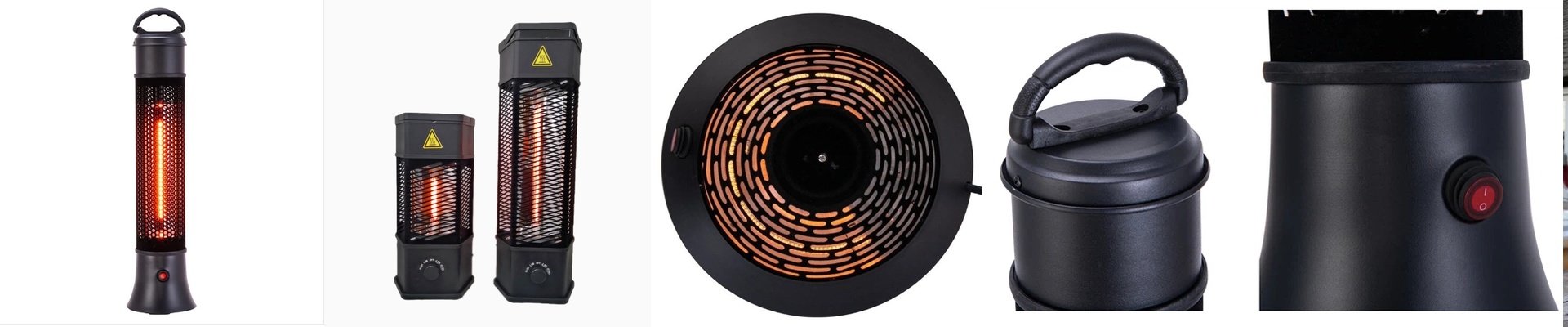

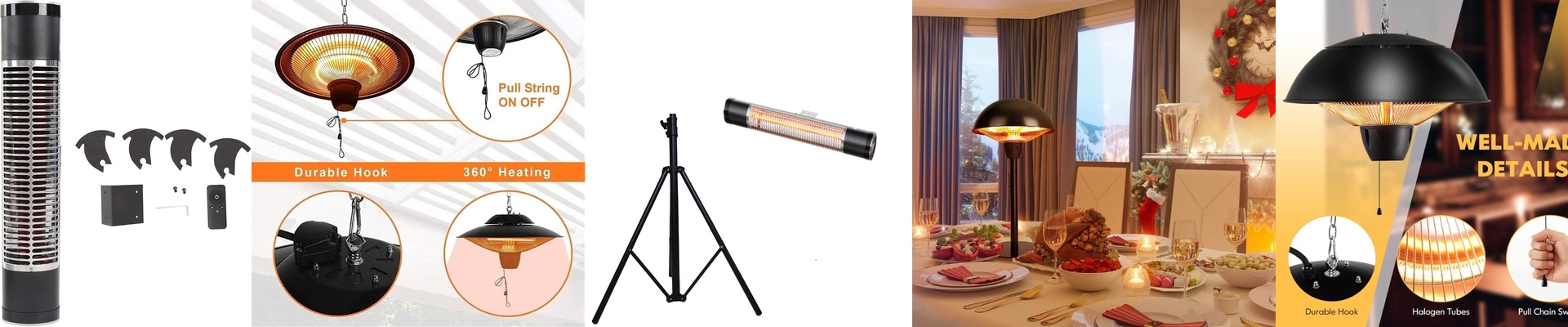
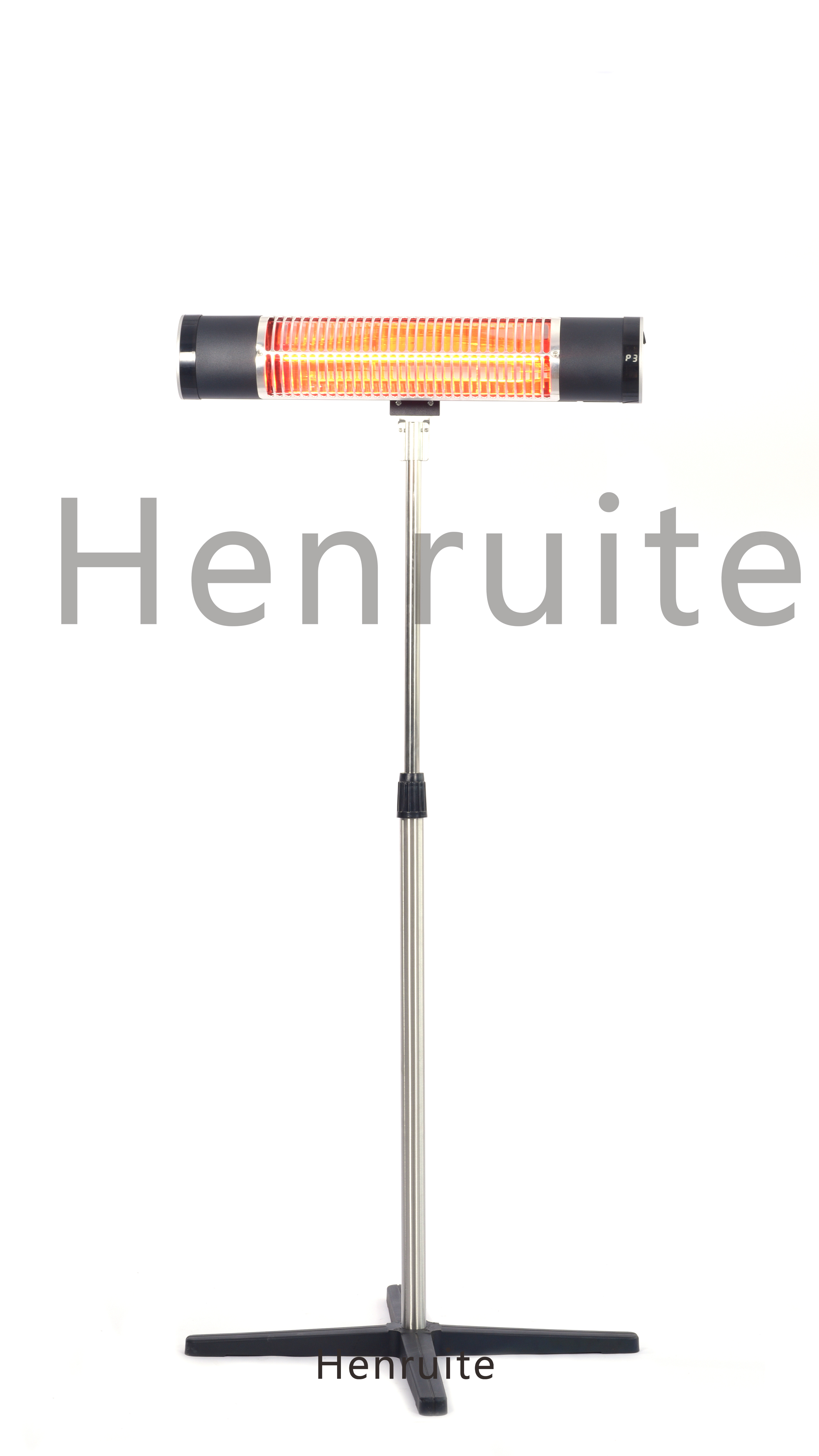
Stop Fighting Your Heaters: The Logic Behind Our IP55 Modular Design
Let’s be honest: waterproof heaters are usually a pain in the neck to fix. When a unit is rated IP55, it’s built to keep the bad stuff out. But too often, that means the manufacturer uses permanent glues or those nightmare gaskets that rip the second you try to open the casing. You end up in a spot where a simple part failure means you have to toss the whole expensive chassis in the scrap bin. We got tired of that. So, we did things differently.
The “Module” Approach
Instead of building one giant, sealed block of metal, we treat the heating core as its own separate piece. Think of it like a drawer. The IP55 shell handles the dust and water jets, but the actual heating elements live in their own modular tray inside. If a tube burns out five years down the road, you don’t have to spend your afternoon fighting with sealant or praying you don’t break the seal. You just pull the module out, swap the lamp, and slide it back in. It keeps the “wet” side and the “hot” side of the machine from interfering with each other. You get the protection you need without the maintenance headache.
Real-World Maintenance
Replacing a heating tube shouldn’t feel like a full-scale teardown. We used quick-connect terminals and a frame that just slides out. You can get a failed element swapped in a few minutes. It’s fast. Really fast. And that means your machine is back up and running before your coffee even gets cold. One thing to keep in mind: heat is brutal on seals. Over a few years, all that expanding and contracting will wear down almost any material. We use high-temp silicone because it holds up better, but it’s still a good habit to give the seals a quick once-over every time you open the module.
The Trade-off
Nothing is perfect. By making the heater modular, we added more connection points than you’d find in a solid, one-piece unit. If your shop has extreme vibrations—like if the heater is bolted directly to a heavy-duty machine—those joints can be a weak spot. Just make sure your locking pins are torqued down tight. As long as they’re snug, the module won’t budge.