

Introduction
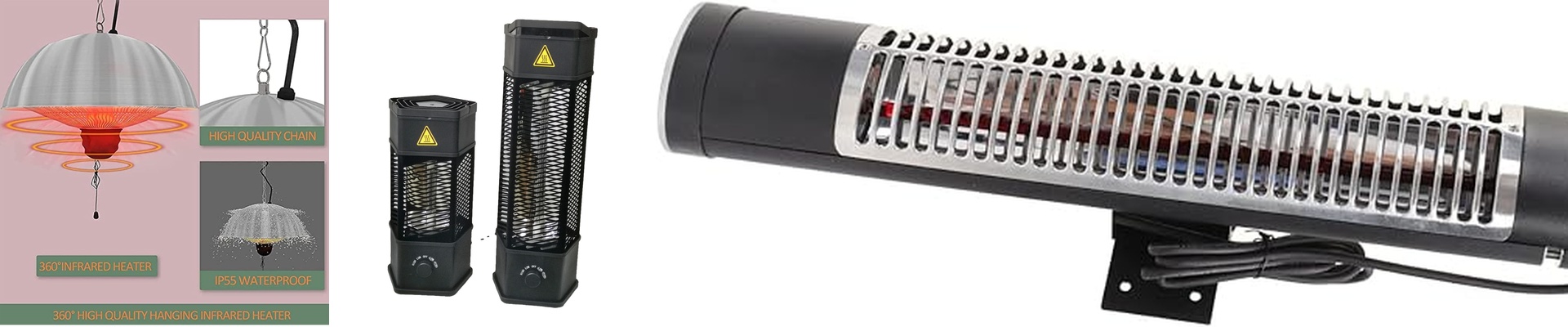
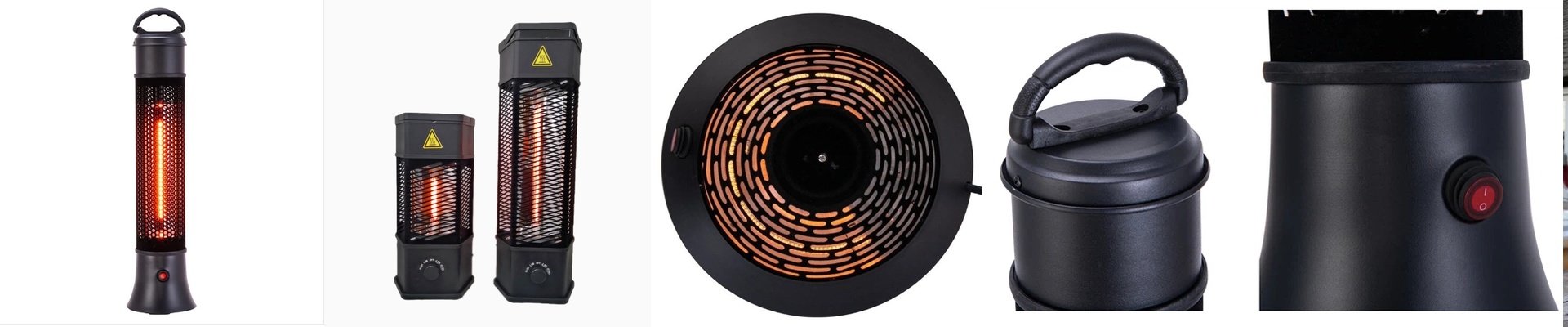
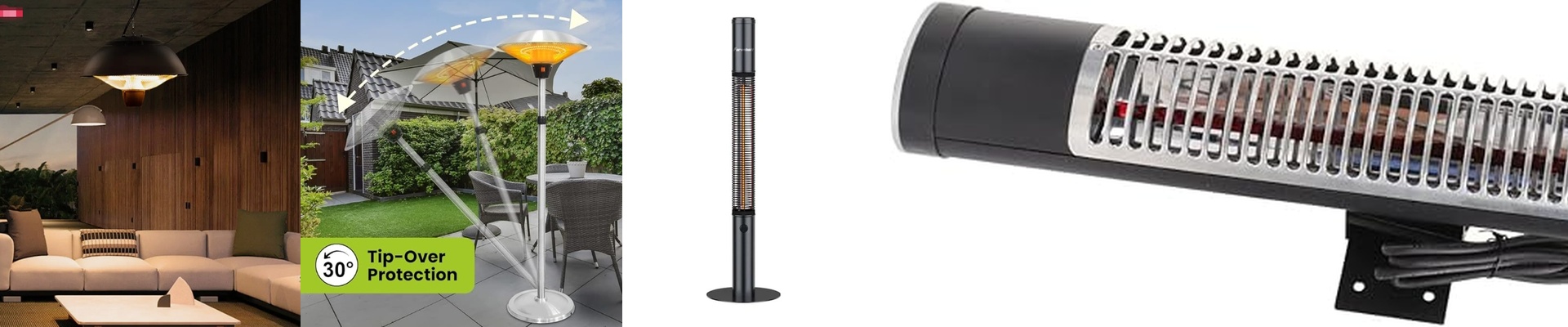
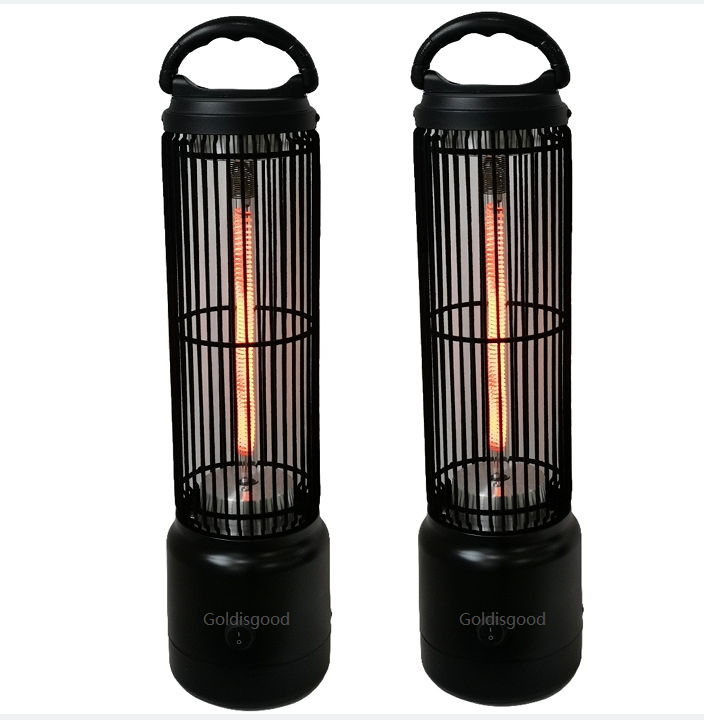
We built these foot warmers to be simple, focused, and seriously effective. Think of them as little heat spotlights—compact, infrared-powered, and designed to warm exactly where you need it, without wasting energy heating the whole room. The magic is a shortwave halogen lamp that throws heat right where you want it. You stay comfortable, your energy bill stays sane, and the whole thing only works if we get the details right—materials, optics, and the electrical connections all have to be spot on.
The Tech, Without the Fluff
These units run on shortwave infrared lamps, typically 2500W with a 400V supply. We chose 400V on purpose: it keeps the current lower than a 230V option, so you can use thinner wiring and avoid voltage drop across the line. The lamp tube is 300mm long, which concentrates the heat into a tight beam. That gives you a lot of watt density in a small space—which is exactly why your feet warm up fast. But it also means the fixture itself runs hot, so you’ll want to plan for clearance and airflow.
Materials and Design—Built to Stay Honest
We use a quartz envelope with a halogen fill because it handles rapid heating and cooling without complaining, and it holds steady performance over time. To get that shortwave output, we tune the filament temperature and the envelope’s transmission, then add a reflector coating to push more energy forward where it matters. The connector is an R7s base—double-ended, linear contact. It holds the lamp securely and keeps the electrical connection solid. And because it’s a standard drop-in design, swapping a lamp is quick. No rewiring. No messing with the socket.
What It Feels Like on the Shop Floor
In a shop-floor foot warmer, the combo of 400V, 2500W, and that 300mm shortwave tube means you get heat that turns on fast and stays consistent. No long warm-up wait. Just immediate, steady warmth right where you need it, with a clean install thanks to the R7s interface. We also take the environment seriously—responsibly sourced halogen gases, tight control of emissions during sealing, and packaging that’s recyclable. Now, the trade-off is real: that high heat density means the fixture needs serious thermal management. If you plan your cooling and clearances properly, the unit will keep running reliably, shift after shift.