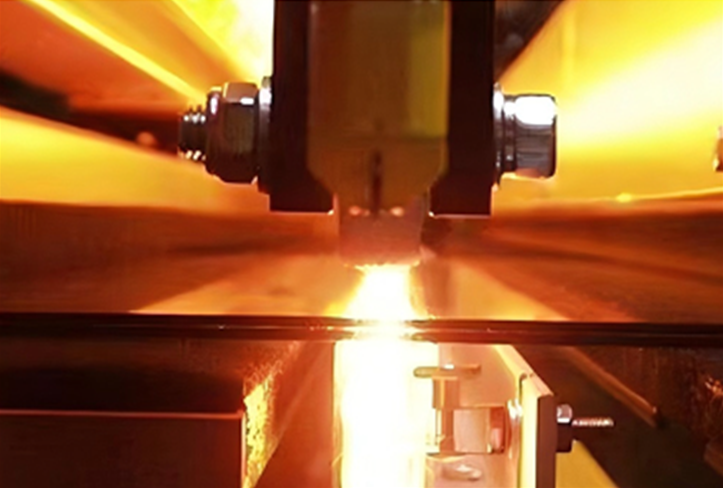
Fitting a high-performance IR lamp into a mobile glass repair bracket is a bit of a puzzle. You’re fighting for every millimeter of space, and you can’t just crank up the voltage to make it work. If you just shrink the lamp, you lose your power. The real trick isn’t about the size of the bulb—it’s about where that heat actually goes. Stop wasting your heat Most IR lamps just throw heat in every direction. In a tiny mobile bracket, that’s a disaster. Half your energy disappears into thin air, and the other half starts melting your housing. That’s why we use aluminum reflectors. By curving the metal into a precise parabolic or elliptical shape, we basically “catch” that wasted heat and shove it straight onto the glass. You get a much harder hit of heat without having to mess with the wattage or blow your power budget. The nitty-gritty on materials We stick with aluminum because it doesn’t warp when things get hot and cold over and over again. But the secret is in the polish. It needs a mirror finish. If it’s not polished enough, the reflector absorbs the short-wave IR instead of bouncing it, and you’re back to square one. You also have to be careful with the spacing. If the lamp is hugging the reflector too tightly, you’ll get hot spots that fry the filament. Too far away? The beam spreads out, and you lose that “punch” you need to cure the glass quickly. It’s a delicate balance. The trade-off Here’s the catch: when you pack all that heat into a tiny space, things get sweaty. We call it heat soak. Even with a great reflector, the housing is still going to get hot. Since you don’t have room for a massive heat sink in a mobile kit, you’ve got to be smart about your airflow. If your fans or vents aren’t up to the task, your internal parts will start acting up. To keep things stable, we usually pair these reflectors with low-voltage, high-density IR elements. It keeps the power supply small and the whole setup running cool.